Wondering what the effects of climate change really look like? Human-caused warming is already changing weather extremes in every region, harming both people and ecosystems, and it hits vulnerable communities hardest.
This guide is part of our wider explainer on climate change, and it focuses on what the latest assessment says is already happening.
| Item | Value |
|---|---|
| People living in contexts highly vulnerable to climate change | 3.3-3.6 billion people |
| Mortality from floods, droughts and storms in highly vulnerable regions versus very low vulnerability regions, 2010 to 2020 | 15 times higher |
| Warming level whose remaining carbon budget is expected to be used up soon without drastic cuts | 1.5°C |
| Investment increase in climate solutions called for | three- to sixfold |
| Publication year of the IPCC AR6 Synthesis Report | 2023 |
These figures come from the IPCC AR6 Synthesis Report as listed in the UNCCD library. They can change as new assessments appear, so check the source before you rely on them.
What the evidence says is already changing
The report highlights that widespread and rapid changes have already occurred across the climate system. It names four parts of that system: the atmosphere, the ocean, the cryosphere and the biosphere. The UNCCD library entry summarises this finding.
- Atmosphere: the air and the weather it produces.
- Ocean: the large bodies of water that shape climate and coastlines.
- Cryosphere: the frozen parts of the planet, such as ice and snow.
- Biosphere: living things and the ecosystems they form.
The report states with high confidence that human-caused climate change is already affecting many weather and climate extremes in every region across the globe. That has brought widespread adverse impacts, along with losses and damages, to nature and people.
Its Summary for Policymakers is organised in three parts, as described in the same library listing:
- Current status and trends.
- Future climate change, risks and long-term responses.
- Responses in the near term.
The effects of climate change fall unevenly
The assessment finds that vulnerable communities who have historically contributed the least to current climate change are disproportionately affected. Approximately 3.3-3.6 billion people live in contexts that are highly vulnerable, according to the report listing.
The gap shows up in lives lost. Between 2010 and 2020, mortality from floods, droughts and storms was 15 times higher in highly vulnerable regions than in regions with very low vulnerability, as the source reports.
Extreme events have also exposed millions of people to acute food insecurity and reduced water security. The largest adverse impacts were observed in many locations and communities in:
- Africa, Asia, and Central and South America.
- Least Developed Countries, Small Islands and the Arctic.
- Globally, among Indigenous Peoples, small-scale food producers and low-income households.
How are people and nature linked?
The report recognizes the interdependence of climate, ecosystems and biodiversity, and human societies. In its words, human and ecosystem vulnerability are interdependent.
In practice, that means damage to ecosystems does not stay in nature alone. Regions and people with considerable development constraints have high vulnerability to climatic hazards, so pressure on one side tends to raise risk on the other.
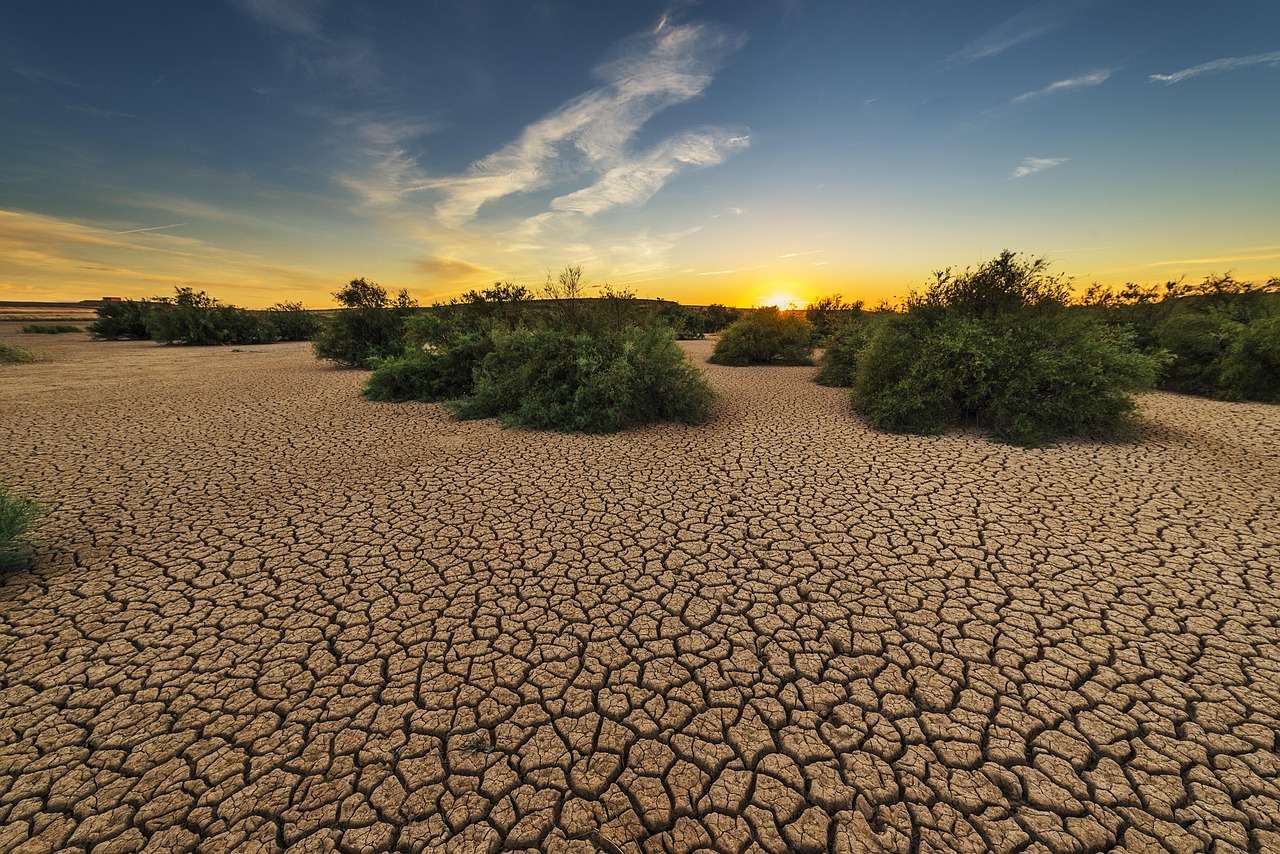
The oceans are one place where these links are easy to see. Our guide to sea level rise looks at that part of the picture in more detail.
Why the 1.5°C carbon budget matters
The report’s summary warns that about half the world’s population will likely see the impacts of climate change. It adds that the remaining carbon budget to hold average global warming at 1.5°C will soon be used up without drastic reductions in fossil fuel use and a three- to sixfold increase in investment in climate solutions, as noted in the library entry.
The wording comes from the 2023 release, so later assessments may update how much budget remains. If the terminology behind these headlines is new to you, our explainer on global warming vs climate change sets out how the two phrases differ.
What responses does the report point to?
The synthesis covers both mitigation, which cuts the causes, and adaptation, which prepares people and nature for the changes already under way. It stresses the close linkages between adaptation, mitigation, ecosystem health, human well-being and sustainable development.
The summary also points out that the most practical solutions, beginning with solar and wind power and reductions in methane emissions, are also the most affordable, per the same source. The report values diverse forms of knowledge and notes the growing range of actors involved in climate action.
Frequently asked questions
What are the main effects of climate change on people?
Show answer
The assessment links it to food insecurity, reduced water security, and deaths from floods, droughts and storms. Losses and damages fall on both nature and people.
Does climate change reach every part of the world?
Show answer
According to the IPCC synthesis, its influence on many weather and climate extremes can already be seen in all regions. The size of the harm still varies a great deal from place to place.
Why do some communities suffer more than others?
Show answer
Places with development constraints have less capacity to cope with climatic hazards. The report notes that those who contributed least to the problem often bear a disproportionate share of the harm.
Can the worst effects be limited?
Show answer
The report argues that practical options already exist, including solar power, wind power and cutting methane. Whether the budget for 1.5°C holds depends on how quickly fossil fuel use falls, as the source explains.