Global warming vs climate change: you’ve heard both words and may wonder which one is right. Global warming is the rise in Earth’s surface temperature; climate change covers that warming plus everything it sets in motion.
This guide sits inside our wider explainer on climate change, so start there if you want the full picture.
| Item | Value |
|---|---|
| Global warming | Rise in Earth’s average surface temperature from rising greenhouse gases |
| Climate change | Long-term change in Earth’s climate, or of a region on Earth |
| First use of “global warming” in a Science article | 1975 |
| National Academy of Science Charney Report | 1979 |
| Hansen’s testimony to Congress that popularised the term | June 1988 |
| Natural ice-age and warm-period cycles | 100,000-year cycles |
These figures come from NASA’s Jet Propulsion Laboratory and NOAA Climate.gov. Figures can change, so check the sources before you rely on them.
Global warming: the temperature part of the story
Global warming is the increase in Earth’s average surface temperature due to rising levels of greenhouse gases, as NASA’s precipitation education team defines it. It is a single measurement, not the whole problem.
NASA scientists describe a rise in surface temperature averaged over the whole globe across the past century and a half, and say it keeps climbing. On a global scale, the cause is heat-trapping gases released when people burn fossil fuels, according to NASA.
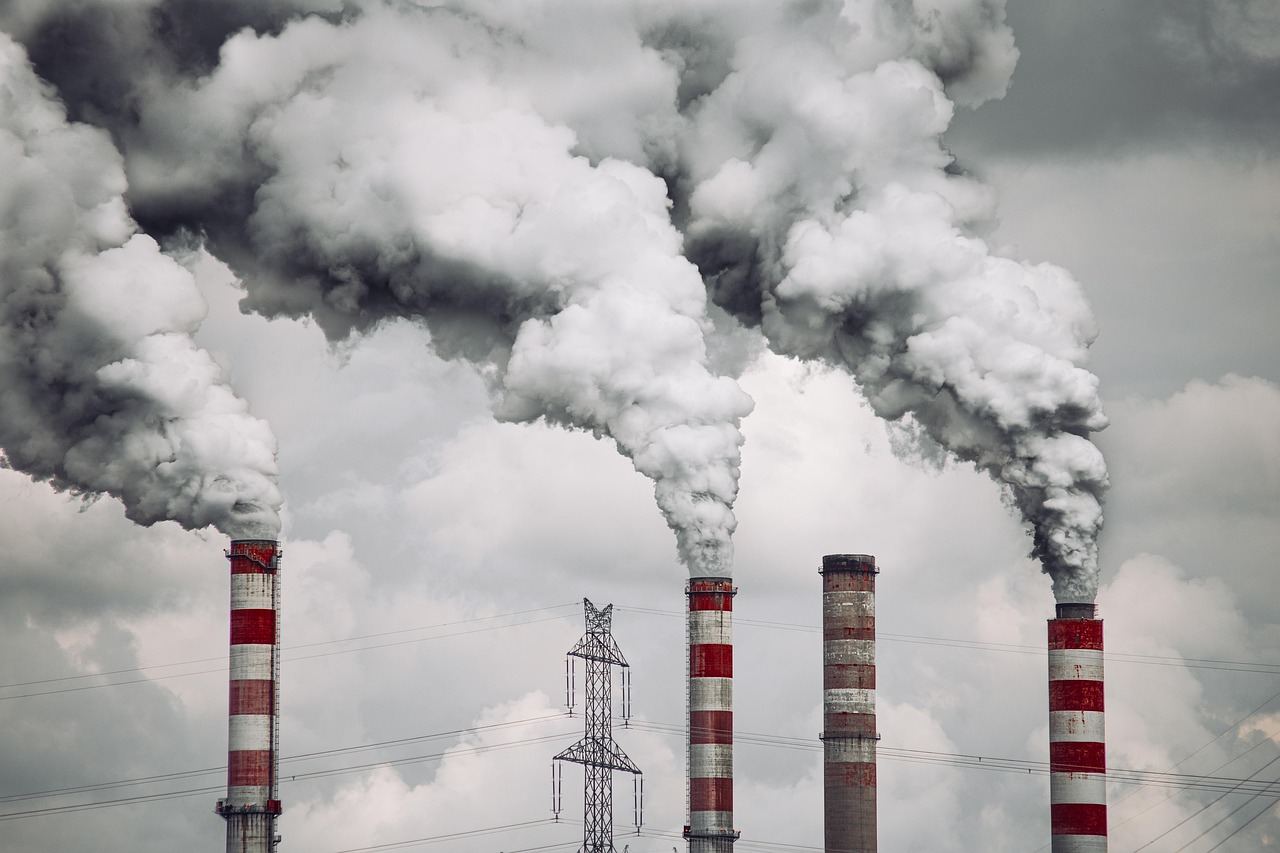
When scientists or public leaders say global warming these days, NOAA Climate.gov says they almost always mean human-caused warming. That means warming from the rapid increase in carbon dioxide and other greenhouse gases from burning coal, oil and gas.
Climate change: the bigger picture
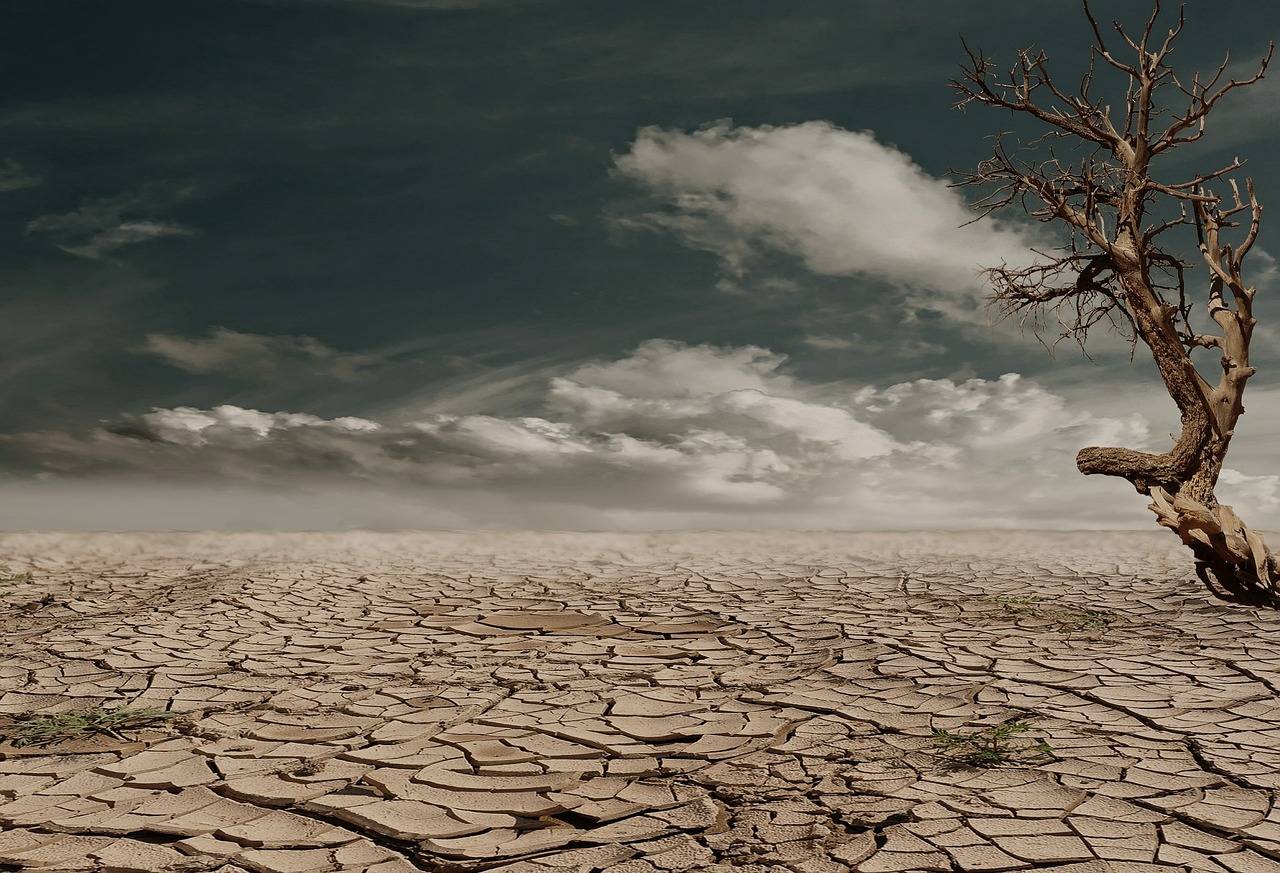
Climate change is the broader term. NOAA Climate.gov says it includes warming and the “side effects” of warming, such as melting glaciers, heavier rainstorms and more frequent drought.
NASA calls climate change a more general term for long-term changes over many decades or hundreds of years, from regional to global scales. Its instruments have observed several current impacts, as NASA’s own explainer lists:
- Decreases in Arctic ice
- Droughts
- Increasing wildfires
- Increasing surface temperatures
Because the phrase is wide, it can describe human-caused changes or natural ones. Humans also alter the climate through aerosol pollution, which cools by reflecting sunlight, and by turning carbon-storing forests into farmland, per NOAA Climate.gov.
For a closer look at what these side effects mean for daily life, see our guide to the effects of climate change.
Why do we have two terms?
The two labels track how scientific understanding grew, according to historian Spencer Weart as cited by NOAA Climate.gov. As far back as the late 1800s, scientists suspected that industrialization could modify the climate, but for many decades they weren’t sure whether cooling from polluting particles or warming from greenhouse gases would dominate.
Here is how the vocabulary developed:
- Early studies of human impact on climate called it “inadvertent climate modification,” because the direction of change was unknown.
- In 1975, geochemist Wallace Broecker used “global warming” in a Science article title, per NASA JPL.
- By the mid-1970s, more evidence suggested warming would dominate, says NOAA Climate.gov.
- In 1979, the Charney Report adopted Broecker’s wording, as NASA JPL recounts.
- In June 1988, NASA scientist James E. Hansen testified to Congress about global warming, and NASA JPL says popular use of the term then exploded.
- By the 1990s, scientists increasingly said “human-caused climate change,” per NOAA Climate.gov.
The Charney Report used “global warming” for surface temperature change and “climate change” for the many other changes from increasing carbon dioxide. Within scientific journals, that is still how the two terms are used.

Is today’s warming natural or human-caused?
Earth has changed before. NOAA notes that the planet’s average temperature has fluctuated across a 4.54 billion-year history, with long cold ice ages and warm interglacials on 100,000-year cycles, in its Climate Q&A.
Those earlier warming episodes were triggered by small increases in sunlight and then amplified by carbon dioxide released from warming oceans. Today is different: over the last five decades, natural factors such as solar forcing and volcanoes would have led to a slight cooling, so the heat-trapping gases from fossil fuels explain the warming, per NOAA Climate.gov.
The pace also stands out. NOAA says the current rise appears much faster than at any point in the past 11,000 years or so, since modern civilization and agriculture developed, as its explainer states.
For the observations behind these statements, read our overview of the evidence of climate change.
Choosing the right term for your situation
Neither is wrong. NASA says the two phrases have their own specific meanings but are related to one another, in its scientist Q&A.
A simple rule of thumb:
- Say global warming when you mean the rise in average surface temperature.
- Say climate change when you mean warming plus its knock-on effects, such as shifting rainfall, sea level and glaciers.
- Say human-caused climate change when you want to be clear that people are the driver.
NASA JPL explains why it favors “climate change” on its own pages: changes to precipitation patterns and sea level are likely to have much greater human impact than higher temperatures alone. Like the Intergovernmental Panel on Climate Change, it emphasizes global climate change over global warming, according to NASA JPL.
NOAA reaches a similar verdict. Side effects such as changing sea level along heavily populated coastlines, and retreating mountain glaciers that millions of people rely on for drinking water and agriculture, are likely to affect society more than temperature change alone, per NOAA Climate.gov.
Frequently asked questions
Is global warming the same thing as climate change?
Show answer
Not quite. NOAA frames global warming as one symptom of the much larger problem of human-caused climate change.
Who came up with the term “global warming”?
Show answer
Wallace Broecker, a geochemist, put it in the title of a Science paper asking whether we were on the brink of a pronounced global warming.
Do the two terms describe the same underlying problem?
Show answer
Largely, yes. Whichever label you choose, NOAA says you are talking about the same basic phenomenon: a build-up of excess heat energy in the Earth system.
What was “inadvertent climate modification”?
Show answer
It was the clunky older name used in early studies of human influence on climate. Scientists chose it because they could not yet say whether pollution would cool the planet or greenhouse gases would warm it.