Wondering whether the evidence of climate change really holds up? It does: independent temperature records, ice, sea level and even carbon chemistry all point the same way, and human activity is the main driver.
This guide sits within our wider explainer on climate change and focuses on what the observations show.
| Key fact | Value |
|---|---|
| Rise in average surface temperature since 1880 | About 1.8°F (1.0°C) |
| Atmospheric carbon dioxide, 1800 to 2019 | About 280 parts per million to 410 ppm |
| Share of Earth’s fresh water held by the Greenland ice sheet | About 8 percent |
| Actively publishing climate scientists who agree on human causes | 97 percent or more |
| Pace of current warming versus ice-age-recovery warming | Roughly 10 times faster |
These figures come from NOAA Climate.gov and the Caltech Science Exchange. They can change as records are updated, so check the sources before you rely on them.
How thermometers show that Earth is warming
The simplest evidence is also the oldest: temperature records. People have logged daily highs and lows at thousands of weather stations over land and ocean for many decades, and in some places for more than a century, as NOAA Climate.gov explains.
Teams at NOAA, NASA and the U.K.’s Hadley Centre average those readings separately and reach essentially the same answer. Earth’s average surface temperature has gone up by about 1.8°F (1.0°C) since 1880, according to NOAA.
Station data is not the only tool. NASA notes that natural archives and modern equipment, including satellites and instruments, all show the signs of a changing climate.
Surface warming is one thread among many, and our explainer on global warming vs climate change shows how it fits into the wider set of changes.
Signs of warming beyond thermometers
If the thermometer records were wrong, living things and ice would not be responding the way they are. NOAA lists several independent signs:
- Birds are migrating earlier, and their migration patterns are changing.
- Lobsters and other marine species are moving north.
- Plants are blooming earlier in the spring.
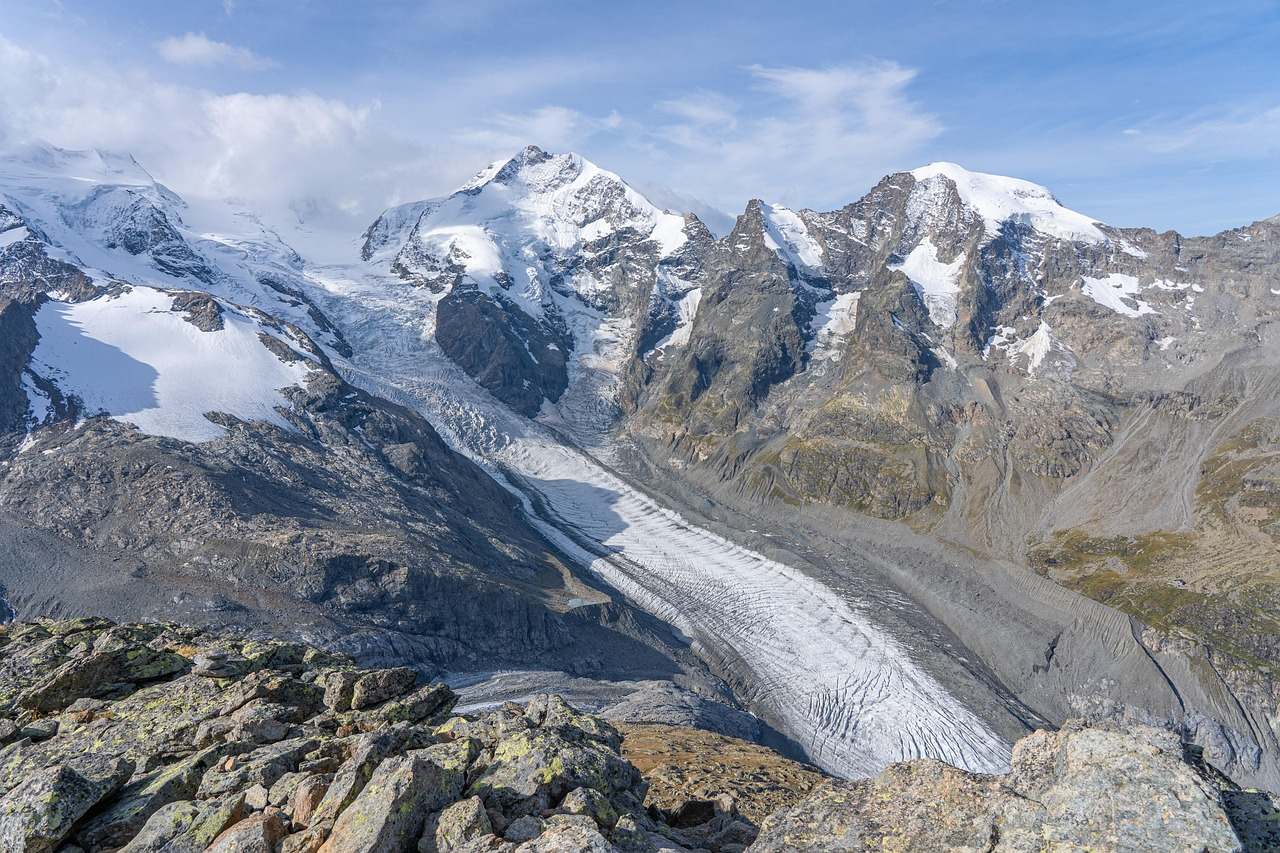
- Mountain glaciers are melting worldwide, and snow cover is declining in the Northern Hemisphere.
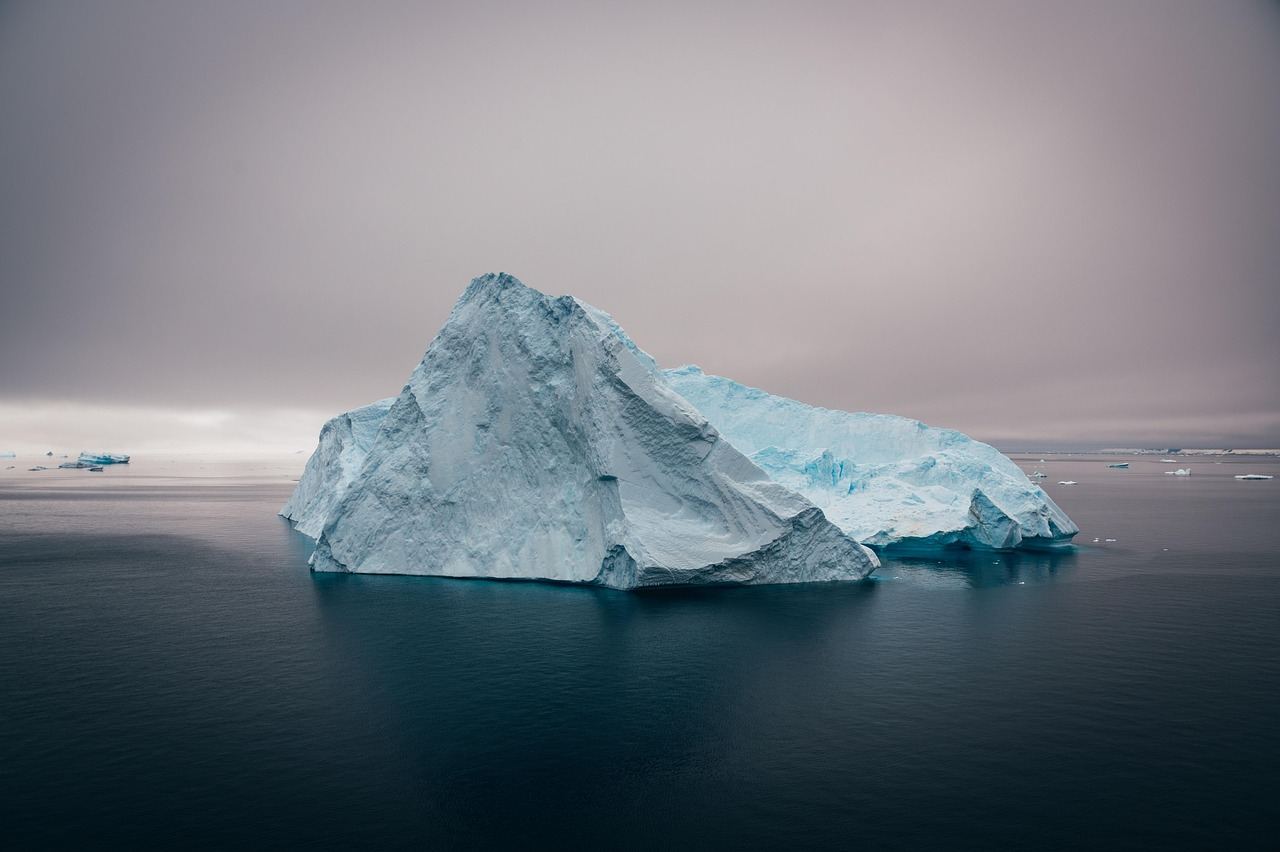
- Greenland’s ice sheet, which holds about 8 percent of Earth’s fresh water, is melting at an accelerating rate (NOAA).
- Mean global sea level is rising.
- Arctic sea ice is declining rapidly in both thickness and extent.
Each of these has its own measurements, and none depends on a single weather station. That is why scientists treat them as separate lines of evidence that support one another.
What ancient records reveal about natural change
Earth’s climate has always shifted. NASA says the last 800,000 years brought eight cycles of ice ages and warmer periods, and the last ice age ended about 11,700 years ago. Most of those swings are attributed to very small variations in Earth’s orbit that change the amount of solar energy the planet receives.
Scientists read this history from physical archives, as the Caltech Science Exchange describes:
- Ice cores from Greenland, Antarctica and tropical mountain glaciers
- Tree rings
- Ocean sediments
- Coral reefs
- Layers of sedimentary rocks
The ice cores show that Earth’s climate responds to changes in greenhouse gas levels. The same ancient evidence indicates that current warming is occurring roughly 10 times faster than the average rate of ice-age-recovery warming (Caltech).
NASA adds that the current warming is happening at a rate not seen in the past 10,000 years (NASA). Caltech’s summary says the recent warming is too rapid to be linked to orbital changes and too large to be caused by solar activity.
Why the evidence points to human activity
The key link is carbon dioxide. Since 1800 its level in the atmosphere has risen from about 280 parts per million to 410 ppm in 2019, according to NOAA. The heat-trapping nature of the gas was demonstrated in the mid-19th century, as Caltech notes.
NOAA also says the rapid increase and the gas’s isotopic “fingerprint” show that the new carbon dioxide comes from fossil fuels, not from forest fires, volcanoes or outgassing from the ocean. It adds that no other known climate influence has changed enough to account for the observed warming trend (NOAA).
The pace matters as well. Caltech reports that carbon dioxide from human activity is increasing more than 250 times faster than it did from natural sources after the last ice age.
Our guide to the causes of climate change walks through the main sources of these emissions.
How strong is the scientific agreement?
Multiple peer-reviewed studies show that 97 percent or more of actively publishing climate scientists agree that warming trends over the past century are extremely likely due to human activities, per the Caltech Science Exchange.
The Intergovernmental Panel on Climate Change published a Synthesis Report in March 2023. It concluded that human activities, principally through greenhouse gas emissions, have unequivocally caused global warming (Caltech).
The IPCC has also said that since systematic assessments began in the 1970s, human influence on the warming of the climate system has moved from theory to established fact, as quoted by NASA. The agreement rests on many separate observations pointing to the same conclusion, not on a single dataset.
Frequently asked questions
Has the climate changed naturally before?
Show answer
Yes. NASA attributes most past shifts to slight orbital variations that alter incoming solar energy (NASA). The difference today is speed and size, which those natural explanations do not match.
Why do sources quote different carbon dioxide figures?
Show answer
They often stop at different end points. NOAA ties its figure to a single named year, while the Caltech summary reports a slightly higher level over a longer span, so both fit a rising trend (Caltech).
How current are the figures on this page?
Show answer
Some are older than others. The NOAA Q&A page is an archived copy of Climate.gov as of June 25, 2025, and it is not being updated, so check the original page and newer agency data for later numbers.