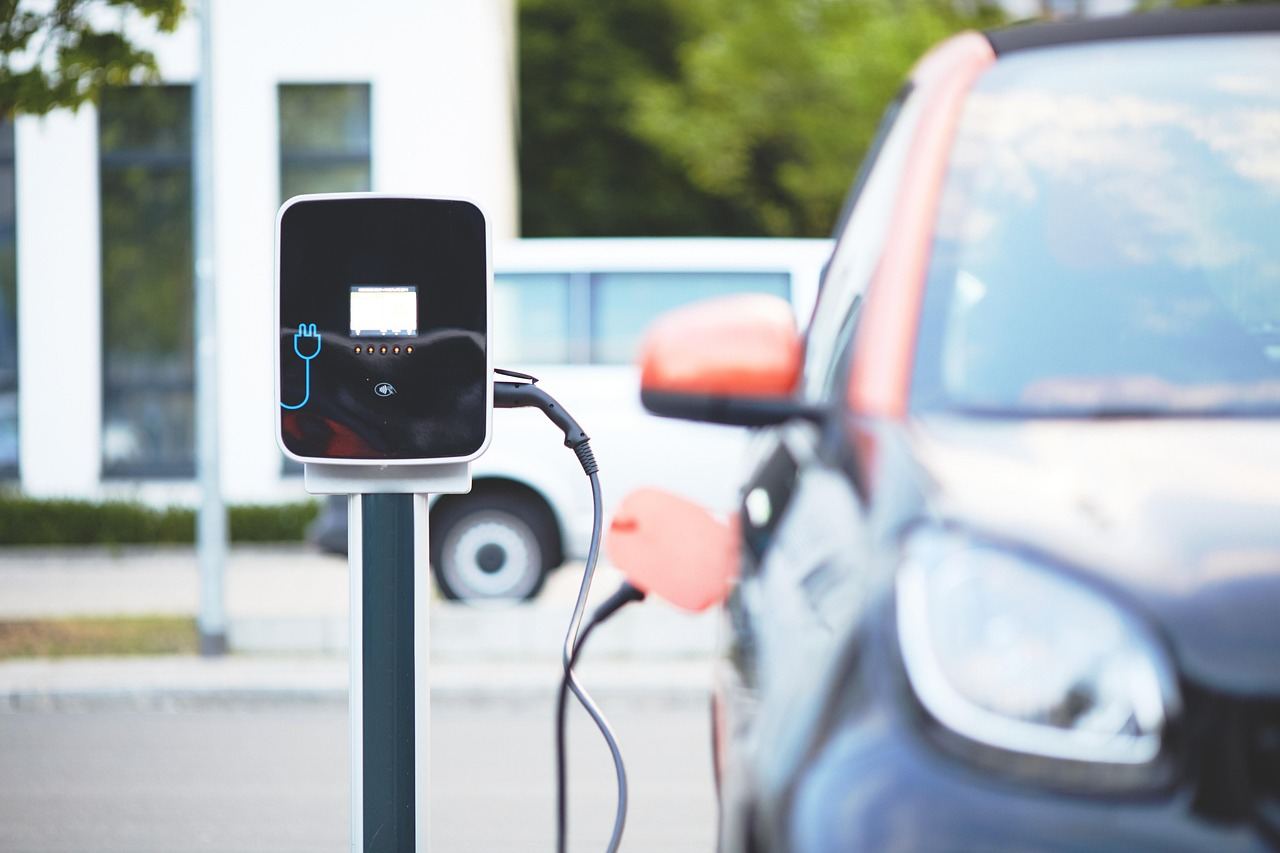
Weighing electric cars vs gas cars for your next purchase? Over a full lifetime, an EV usually emits less and can cost less to fuel, though your local power grid and driving habits change the result.
Choosing a car is one of the bigger decisions in sustainable living, so the sections below compare emissions, running costs and battery worries.
| Item | Value |
|---|---|
| Cradle-to-grave emissions, small gasoline SUV (2020 estimate) | 429 grams of carbon dioxide equivalent per mile |
| Same-size EV with 300 miles of range | 48% fewer greenhouse gas emissions |
| Energy an EV uses to move the vehicle | approximately 87%-91% |
| Gasoline energy converted into movement | about 16-25% |
| EV battery replacements due to failure (average) | 2.5% |
These figures come from the Department of Energy’s August 14, 2023 Fact of the Week and the EPA’s Electric Vehicle Myths page. They can change as new research appears, so check the source before you rely on them.
How emissions compare over a vehicle’s whole life
The fairest test is a cradle-to-grave comparison, which counts raw material extraction, fuel production, building the vehicle, driving it and scrapping it. In an Argonne analysis that DOE summarized on August 14, 2023, a small gasoline SUV in 2020 was estimated at 429 grams of carbon dioxide equivalent per mile. A same-size EV with 300 miles of range had 48% fewer greenhouse gas emissions.
That analysis assumed a vehicle lifetime of 178,102 miles for every vehicle type, and it used the average U.S. electricity mix for the EV. It left out supporting infrastructure systems, so read the result as a careful estimate rather than an exact score, as noted in the DOE fact sheet.
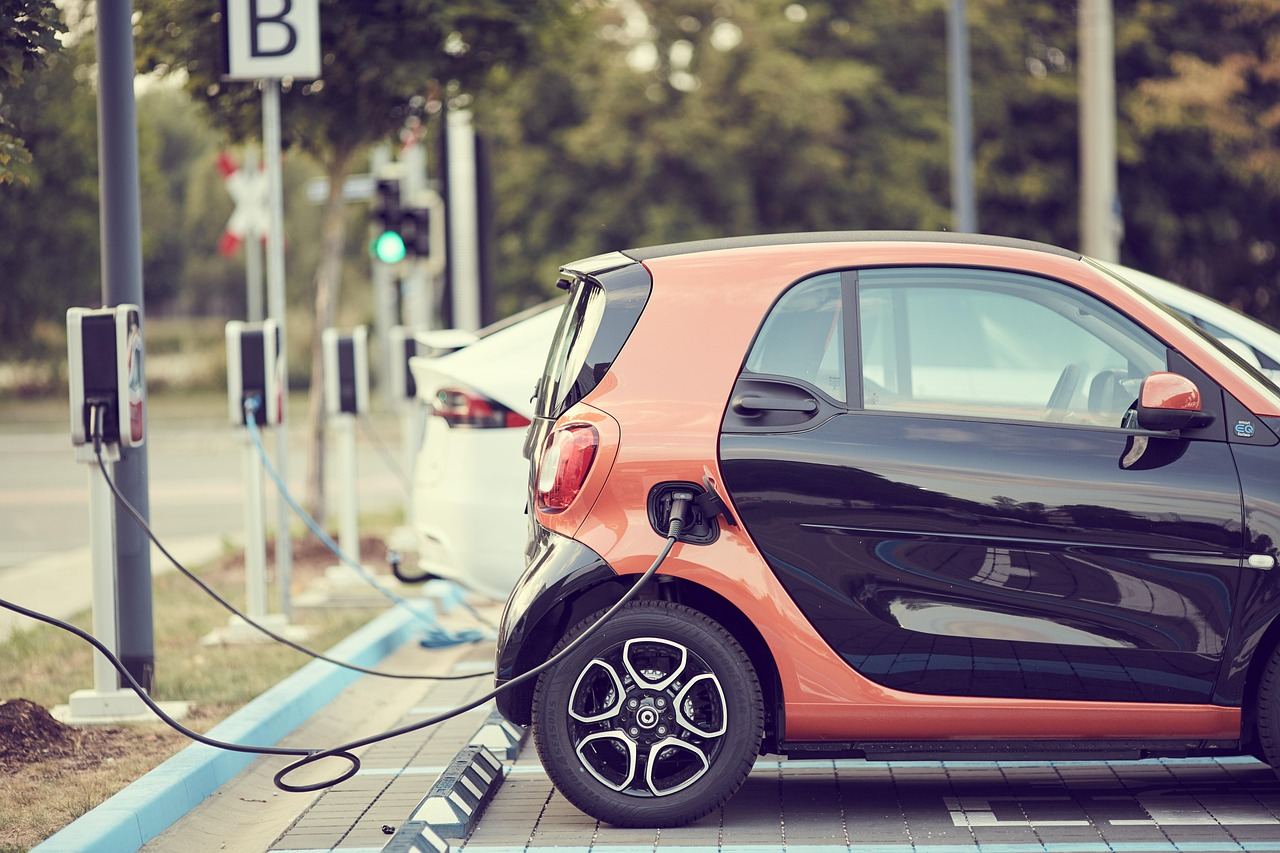
An Argonne-led feature story from October 2022 reached a similar verdict: EVs have the potential to cut greenhouse gas emissions by half over the lifetime of the vehicle, according to EurekAlert. The researchers counted the power used to charge the vehicle and the power used to mine battery materials.
Why EVs use energy more efficiently
Much of the gap comes down to energy efficiency. EVs use approximately 87%-91% of the energy from the battery and regenerative braking to propel the vehicle, while gasoline vehicles convert only about 16-25% of the energy from gasoline into movement, as the EPA explains.
The Department of Energy’s Alternative Fuels Data Center cites Argonne modeling showing an all-electric vehicle is more than three times more efficient than its conventional counterpart. It also reports an estimate that generating electricity to run an all-electric vehicle produces 53% less emissions than the tailpipe emissions of a gasoline vehicle.
Does making the battery cancel out the benefit?
Not over the long run. The EPA acknowledges that making a typical EV can create more carbon pollution than making a gasoline car, because of the extra energy needed for the battery, according to its myths page.
That head start is usually erased on the road. EVs have zero tailpipe emissions and are typically responsible for significantly fewer greenhouse gases during operation, so total lifetime emissions for an EV are typically lower than for a gasoline car, per the same EPA page.
Recycling can narrow the gap further. The EPA says recycling EV batteries can reduce the emissions associated with making an EV by reducing the need for new materials, and research is ongoing to improve the process.
What running costs look like
Fuel is where savings show up. Research from the National Laboratory of the Rockies and Idaho National Laboratory finds that driving an EV instead of a comparable conventional vehicle can save a driver as much as $14,500 on fuel costs over 15 years, according to the Alternative Fuels Data Center.
That figure is an upper bound, and your own result depends on how much you drive and what you pay for electricity and gasoline.
The purchase price is the other side of the ledger. The Argonne feature story from October 2022 notes that buying and owning an EV has historically come at a premium, though the cost of EV batteries has decreased dramatically over the past decade.
How long do EV batteries last?
Longer than many buyers fear. A study of about 15,000 vehicles found that battery replacements due to failure were rare, averaging 2.5% outside major recalls, as EPA reports.
For vehicles from model year 2016 onward, the failure rate has been less than 0.5%. The majority of those batteries would have been covered as part of the manufacturer’s warranty, according to the same EPA source.
Unlike the starter batteries in gasoline vehicles, EV drivetrain batteries are designed to last the lifetime of the vehicle.
How to check the numbers for your own situation
Results vary with the vehicles being compared, battery size and chemistry, vehicle lifetimes and the electricity grid used for charging, and the EPA stresses that its Argonne examples are illustrative only. Local power matters most: the amount of carbon pollution varies widely depending on whether electricity comes from coal or natural gas or from wind or solar.
To test your own case, follow these steps:
- Use EPA’s Power Profiler and enter your zip code to see the energy mix in your region.
- Open the Beyond Tailpipe Emissions Calculator from the EPA and the Department of Energy.
- Select an EV or plug-in hybrid model and enter your zip code.
- Compare the result with a gasoline car you are considering.
Both tools are described on the EPA’s Electric Vehicle Myths page.
Your car is only one lever, and a simple way to cut your footprint at home is learning how to reduce food waste. Clothing is another everyday choice with a footprint, and our guide to sustainable fashion is a good next read.
Frequently asked questions
Are electric cars cleaner than gas cars?
Show answer
In most comparisons, yes. Even after counting the electricity used for charging, the EPA says an EV typically causes fewer greenhouse gases than an average new gasoline car, and a cleaner local grid improves that further (EPA).
Is an EV cheaper to own overall?
Show answer
It can be, but it is not guaranteed. The Argonne-led study reported by EurekAlert said some EVs may become less expensive to own and operate than gas vehicles, and that this depends on continued progress in battery technology and on the electric grid getting cleaner.
Do EVs produce any emissions at all?
Show answer
Not from the tailpipe. Emissions happen upstream instead, at power plants and during manufacturing, which is why the EPA points to the local energy mix as the key variable.
Do EV batteries lose range as they age?
Show answer
Some loss is normal. The study the EPA cites found that 97.5% of EVs were still running on their original batteries, excluding major recalls.