Want an energy efficient home without wasting money on the wrong upgrades? Start by sealing and insulating your attic, then tackle heating, hot water and windows.
This guide is one part of the wider topic of sustainable living, focused on what happens inside your walls.
| Upgrade | Reported impact |
|---|---|
| Attic air sealing and insulation | Up to 10% off annual energy bills |
| Heat pump water heater | About $550 saved every year for a household of 4 |
| ENERGY STAR certified windows | 12 percent lower bills on average |
| Heating and cooling spend (average US household) | More than $900 a year |
| Deep retrofit package: energy use cut | 58% to 79% |
The figures come from ENERGY STAR’s Home Upgrade page and an ACEEE report on deep retrofits. They can change, so check the sources before you rely on them.
How these upgrades are ranked
The order below is a practical guide, not a measured league table. The sources report savings for different things, so the numbers do not compare like with like. Your home’s age, your climate and the equipment you already own change the answer.
The ENERGY STAR program groups six improvements into its Home Upgrade set, according to its Home Upgrade page. They are:
- Clean heating and cooling with a heat pump
- A well-insulated and sealed attic
- A super-efficient water heater
- High performing windows or storm windows
- A smart thermostat
- Electric ready wiring and equipment
Start with sealing and insulating the attic
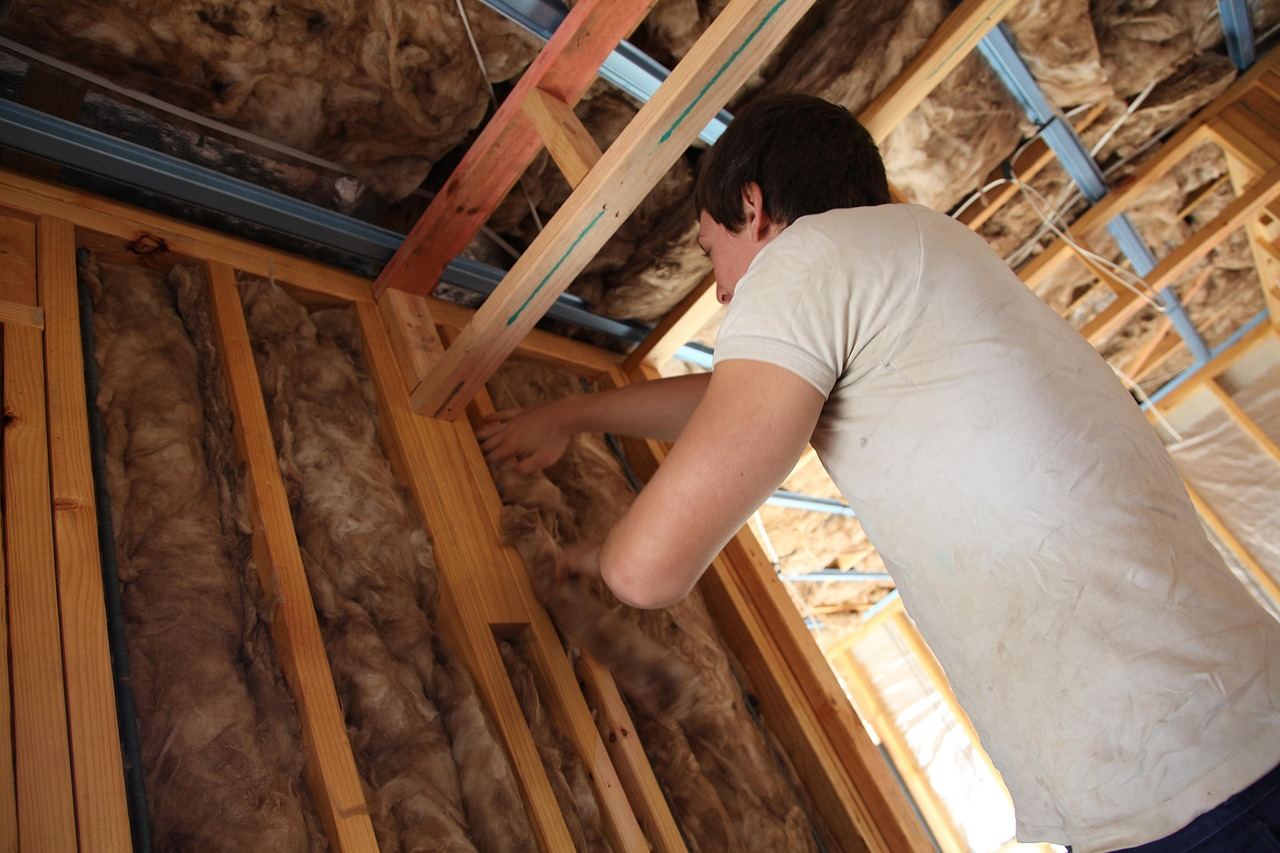
Leaky, thinly insulated attics are a common weak point, so the attic sits at the top of most upgrade lists. ENERGY STAR says that sealing air leaks and adding insulation there can save up to 10% on annual energy bills, as stated on its Home Upgrade page.
Where you live matters. An ACEEE analysis found that older homes in cold, mixed-humid and marine climates gain most from envelope upgrades such as windows and attic, wall and floor insulation.
Newer homes in hot climates have a different pattern. ACEEE reports that new HVAC equipment plus select envelope measures, such as attic insulation, can cut heating and cooling loads there.

Heating, cooling and the smart thermostat
For the average American household, almost half the annual energy bill goes to heating and cooling, which is more than $900 a year according to ENERGY STAR. That is why this is the largest slice to attack. ENERGY STAR’s advice is to switch to a certified heat pump to save energy and money year-round.
Timing helps. ACEEE’s lead author, Jennifer Amann, says that if your HVAC system is old and dying, an efficient electric heat pump along with air sealing and attic insulation may be good first steps, as quoted in the ACEEE release.
A smart thermostat helps you control temperature settings and is part of the ENERGY STAR set. The sources supplied give no savings percentage for it, so treat it as a supporting step rather than your main fix.
Water heater and windows
Your water heater is the second-highest energy user in your home, according to ENERGY STAR. Switching to a certified high efficiency model with heat pump technology saves about $550 every year for a household of 4.
Replacing old, drafty windows with ENERGY STAR certified windows lowers household energy bills by an average of 12 percent, per the same page. Full replacement is a big job, though.
ACEEE’s lead author notes that cheaper measures can act quickly. These include storm windows, insulated shades, ceiling fans and high efficiency dehumidifiers, as described in the ACEEE release.
Do you need a deep retrofit?
A deep retrofit combines many upgrades at once. In its December 2021 report, ACEEE found that such packages can cut a home’s energy use by 58% to 79% and its emissions by 32% to 56%, depending on the home’s age and regional climate, as set out in the ACEEE release.
The catch is price. ACEEE puts these packages at $42,600 to $56,750, which it says is more than most homeowners can afford.
Its analysis suggests that completing retrofits in stages can be an effective way to spread the cost. ACEEE also cites a 2021 International Energy Agency projection that existing homes need retrofitting at 2.5% each year to reach net-zero emissions by 2050.
A practical order to follow
Use this sequence as a starting point and adjust it to your own home:
- Seal air leaks and add insulation to the attic.
- If your heating and cooling system is near the end of its life, replace it with a heat pump.
- Choose a heat pump water heater when your current tank needs replacing.
- Add storm windows or insulated shades first, then replace windows as budget allows.
- Fit a smart thermostat to manage your settings.
- Prepare your electrical system for more electric equipment.
Home energy is only one slice of your footprint, so read about how to reduce your carbon footprint to see where upgrades sit next to other choices. Food is another big lever, and the guide on plant based diet climate impact covers it.
Frequently asked questions
What if I can only afford one upgrade this year?
Show answer
Match the upgrade to your weakest point, whether that is a thin attic, an ageing heating system or a failing water heater. ACEEE’s lead author says it matters more to get started and do something than to follow a perfect order, as quoted in the ACEEE release.
Can I spread upgrades over several years?
Show answer
Yes. ENERGY STAR says you can choose the improvements that suit your home and carry them out at your own pace, per its Home Upgrade page.
What does “electric ready” mean?
Show answer
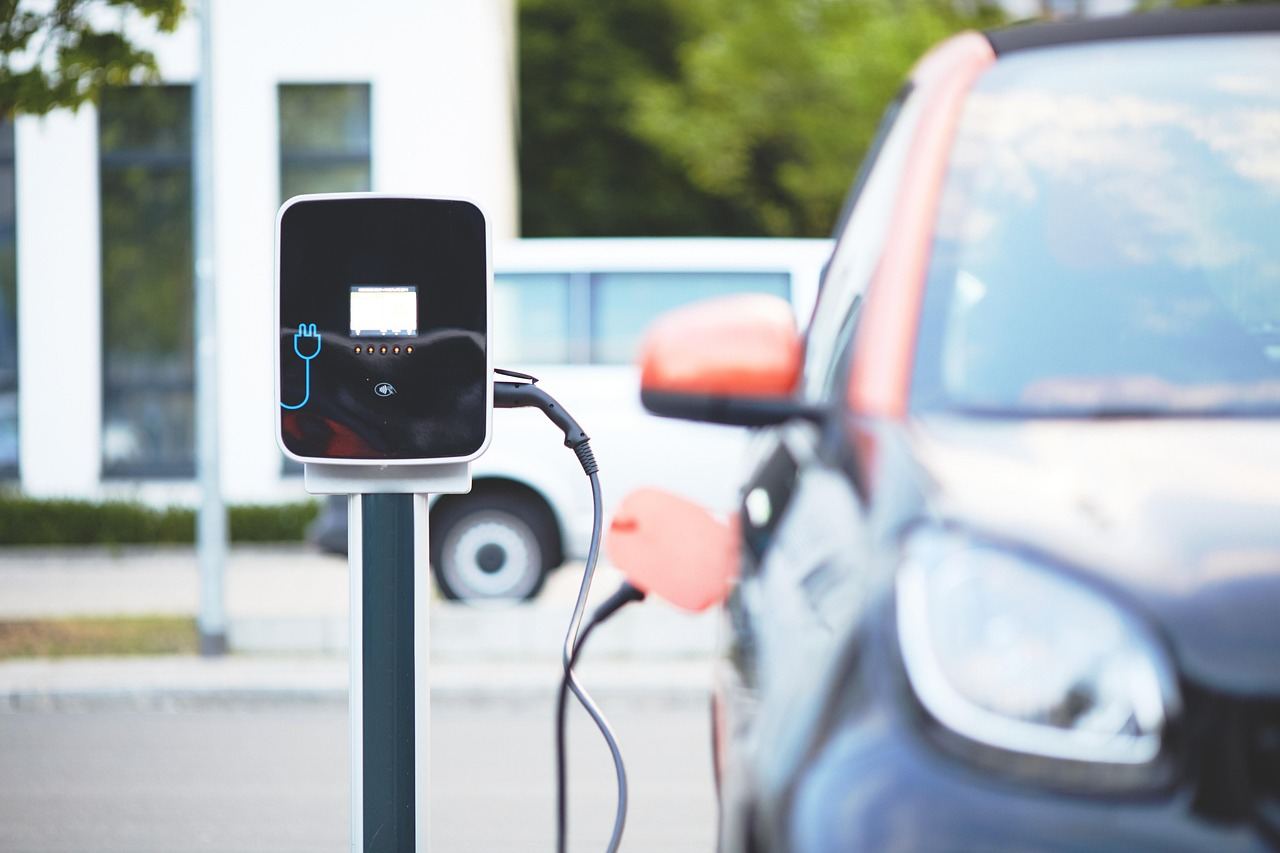
It means preparing your home for additional electric appliances, equipment and an EV charger, as ENERGY STAR describes it. Think of it as getting the wiring side sorted before you need it.
Why might my savings differ from the published figures?
Show answer
Published numbers are averages or “up to” values. ACEEE shows that results vary with a home’s age and regional climate, so your own bills may move by more or less, as explained in the ACEEE release.