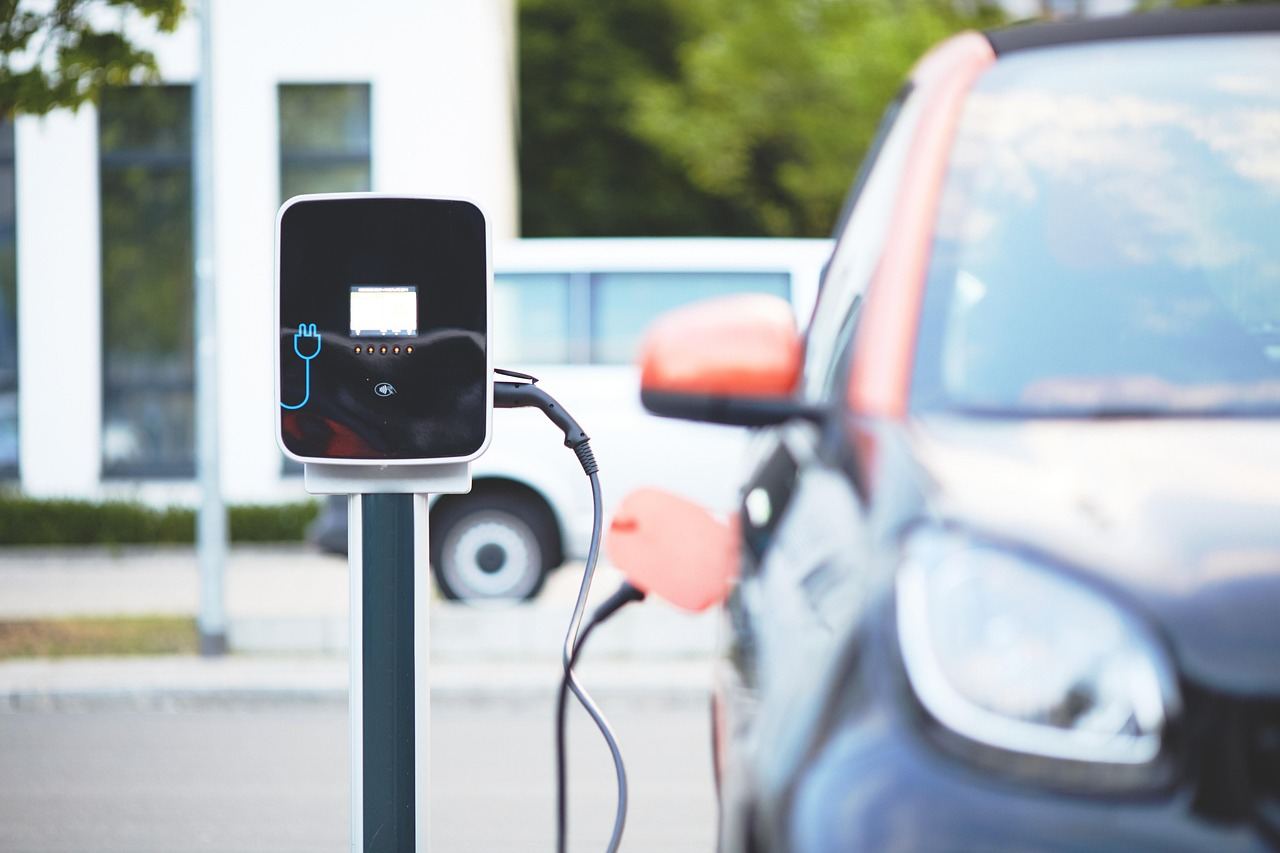
Wondering how to reduce your carbon footprint without wasting effort? Focus on a few big levers: driving less, flying less, powering your home cleanly and eating more plants. Habits like recycling matter far less.
This guide is part of our wider look at sustainable living, and it ranks everyday actions by how much they actually cut emissions.
| Item | Value |
|---|---|
| Average emissions per person worldwide, 2021 | 6.28 tonnes of carbon dioxide equivalent per year |
| Theoretical yearly cut from 11 pro-climate behaviors | about 6.53 tonnes per year |
| Typical real-world yearly cut without systemic support | about 0.63 tonnes per year |
| Share of the potential reached by individual-only efforts | about 10% |
| Going car-free versus composting | 78 times more impactful |
The figures come from WRI’s April 2025 working paper and its companion explainer. Figures can change as research is updated, so check the sources before you rely on them.
Start with the few actions that cut the most
Not every green habit pulls the same weight. WRI’s ranking of 19 climate-friendly behaviors finds that the most impactful actions for individuals are living car-free, flying less and using renewable energy at home, as WRI’s analysis shows.
If you want the groundwork first, our guide on what is a carbon footprint explains how emissions get counted.
The WRI working paper names four Priority Shifts, listed here in order of climate impact:
- Shifting to sustainable ground travel, such as less gas-powered car use, public transport and cycling.
- Shifting to air travel alternatives, like high-speed rail and teleconference.
- Installing residential solar and increasing home energy efficiency.
- Eating more plant-rich meals.
These shifts matter most for higher-income, higher-consuming populations, which carry a bigger responsibility to cut emissions. Your starting point counts too: people who drive and fly a lot and eat meat-heavy diets have far more to gain than people whose emissions are already low, as WRI’s ranking notes.
How much can your own choices realistically change?
On paper, a great deal. WRI estimates that shifting to 11 pro-climate behaviors in energy, transport and food could cut about 6.53 tonnes per person per year, according to WRI’s explainer. That is more than the 6.28 tonnes an average person emitted in 2021, per the working paper.
In practice, the gain is smaller. When people try these changes without supportive systems, they typically cut about 0.63 tonnes a year, just 10% of what is theoretically possible, based on the same WRI explainer.
The remaining 90% depends on broader changes that make individual actions attainable, according to WRI. Transit, bike lanes and subsidies are the usual examples.
Transport: the biggest lever for many people
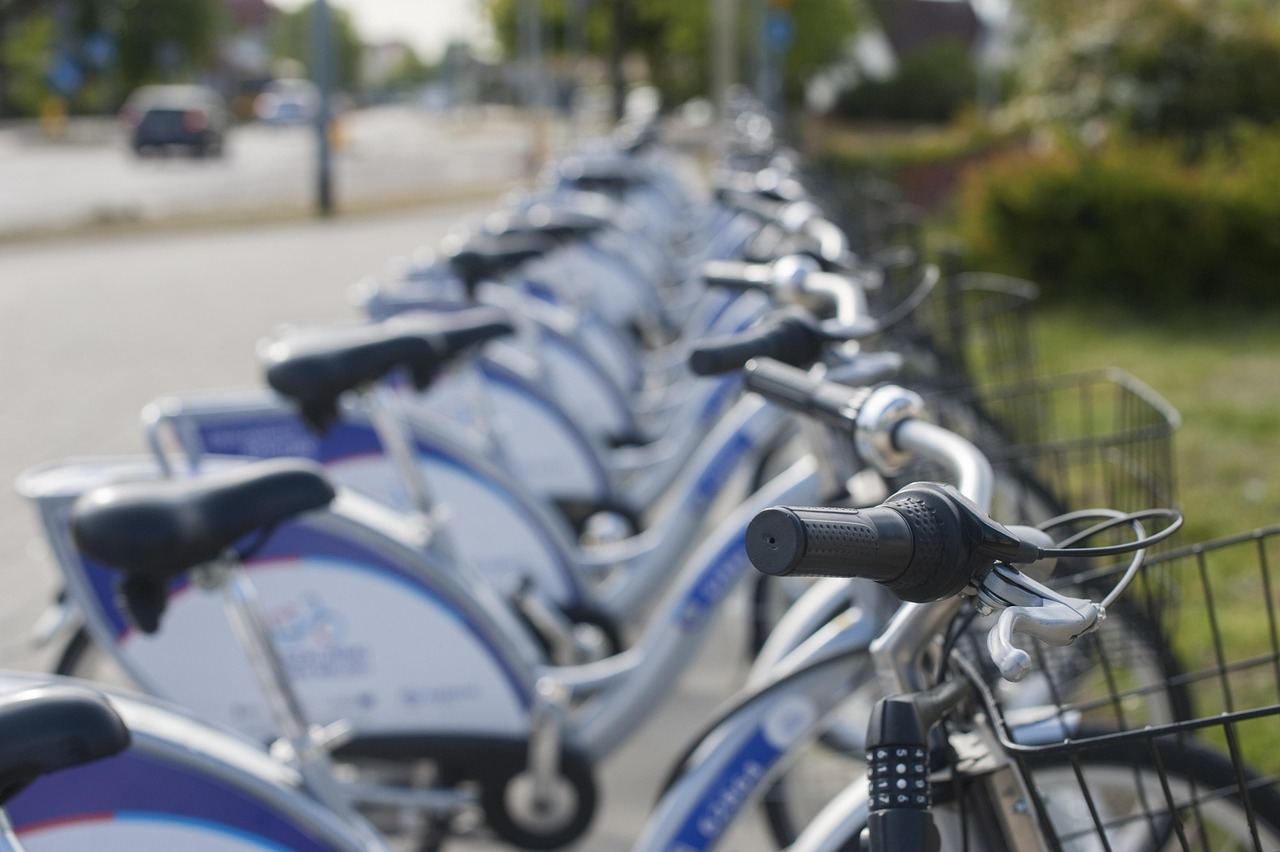
Living car-free is the most impactful behavior by far, per WRI’s ranking. If that is out of reach, switching from a gas-powered car to an electric vehicle, or moving as many trips as possible to walking, biking or public transit, still cuts emissions.
The scale is striking. Three of the top six behaviors in the working paper are alternatives to gas-powered car use, and car-free living is more impactful than home solar and going vegan combined.
Flying deserves its own look. A return flight from Los Angeles to Hong Kong can generate over 4,000 kilograms of carbon dioxide equivalents, notes UBC’s Beyond. WRI lists high-speed rail and teleconference as air travel alternatives in its working paper.
A few steps help you start, beginning with the tracking habit Project Drawdown recommends for anyone with a personal vehicle:
- Log a typical week of trips to see which ones you could replace.
- Walk, bike or take public transit for as many of those trips as you can.
- Choose a hybrid or electric vehicle when you next replace a car.
Food and home energy: the next steps
Going vegan is nearly 3 times more impactful than decreasing food waste, 9 times more than cutting packaged or processed goods and 30 times more than composting, according to WRI. Few people will go fully vegan, yet going vegetarian or simply eating less meat still helps.
Project Drawdown says going meatless even a few days a week, or replacing red meat with white meat, can dramatically reduce your impact.
Wasted food counts as well. Roughly 30-40% of food produced is never eaten, and food waste breaking down in landfills releases methane, a potent greenhouse gas, according to the same Drawdown piece.
Home energy
WRI’s priority list also includes installing residential solar and improving home energy efficiency, per the working paper. Cheaper first steps exist, such as swapping old incandescent bulbs for LEDs, which use roughly 75% less energy, according to Project Drawdown.
Before you spend money, Project Drawdown suggests these checks, as described in its guide:
- Ask your electricity provider for a breakdown of fossil and renewable generation.
- List the devices and appliances you power and check how efficient they are.
- Look for utility or government rebates before replacing an appliance.
Our guide to an energy efficient home goes into more detail on upgrades.
Habits that feel green but matter less
Recycling is worthwhile, but it is small next to the big levers. You would need to recycle for 7.5 years to save as much as forgoing one round-trip trans-Atlantic flight, says UBC’s Beyond.
Packaging works the same way. Buying food without packaging for at least 10 years would be needed to match one year of a meat-free diet, according to the same UBC analysis.
WRI says composting, while valuable, has a minimal effect on emissions, and going car-free is 78 times more impactful than composting in its working paper.
Why do these myths stick? Research shows people often overestimate the benefits of easy changes like recycling and discount harder ones like cutting air travel and eating less meat, per WRI.
How can you help change the system?
Individual choices work best alongside public change. Living car-free, for example, requires access to reliable public transit, safe bike infrastructure and subsidies for bikes or e-bikes, says WRI.
WRI frames the answer as pushing for what you can’t control alone while making the most impactful daily choices that fit your circumstances. That includes voting, signing petitions and joining collective campaigns, per its ranking.
When you vote, WRI suggests looking for leaders who champion:
- Clean, reliable and accessible public transit.
- Subsidies for electric and hybrid vehicles and a nationwide EV charging network.
- Incentives for heat pumps, solar panels and energy-efficient retrofits.
The IPCC says comprehensive shifts in human behavior could theoretically reduce global emissions by up to 70% by 2050, but only when combined with supporting policy, industry and technology, as WRI’s explainer reports.
Project Drawdown puts it simply: we need system change, but personal actions are part of the system. It also says about one-third of the solutions needed to stop climate change are best implemented at the household or family level, in Jonathan Foley’s piece.
Frequently asked questions
What is the most effective way to reduce my carbon footprint?
Show answer
Living car-free tops WRI’s ranking. If that is not possible for you, the other high-impact moves are flying less, upgrading home energy and eating more plant-rich meals, according to WRI’s working paper.
Is recycling still worth doing?
Show answer
Yes, but keep it in proportion. WRI describes composting as valuable yet minimal in effect, so put your first effort into transport, food and home energy, as laid out in its working paper.
Do individual choices matter if governments and companies hold the power?
Show answer
They do, though they are only part of the picture. WRI found that efforts focused only on changing behavior reach about one-tenth of their potential, which is why voting and collective campaigns matter as well, per its explainer.
Is my footprint the same as everyone else’s?
Show answer
No. Wealthier, higher-consuming populations may emit up to 110 tonnes of carbon dioxide equivalent a year, while lower-income groups can be as low as 1.6 tonnes, according to WRI.
Where should I start this week?
Show answer
Pick one area and take stock. Project Drawdown suggests keeping a food journal for a week, or tracking an average week of driving if you have a vehicle, as explained in its guide.