Wondering if your wardrobe is hurting the planet? Sustainable fashion comes down to buying less, choosing durable pieces, washing gently and keeping clothes in use longer. Here is how to start.
This page is part of the wider topic of sustainable living, where clothing is one everyday choice among many.
| Item | Value |
|---|---|
| Water to make one pair of jeans | 7,500 litres |
| Fresh water to make one cotton T-shirt | 2,700 litres |
| Share of global greenhouse gas emissions from clothing and footwear production | 8% |
| Emissions from EU textile purchases per person, 2017 | 654 kg of CO2 |
| Share of clothes recycled as clothing worldwide | Less than 1% |
Figures come from a 2019 UN News report and a European Parliament infographic. They are estimates that can change, so check the sources before you rely on them.
Why does clothing have such a large footprint?
Making clothes takes a lot of water. The UN News report says it takes around 7,500 litres of water to make a single pair of jeans, and the European Parliament infographic estimates 2,700 litres of fresh water for one cotton T-shirt.
Climate estimates differ by source. The 2019 UN News report says clothing and footwear production generates 8% of the world’s greenhouse gas emissions, while the European Parliament infographic puts the fashion industry at 10% of global carbon emissions. The gap is a reminder that these are estimates, not exact counts.
The energy behind clothing matters too. According to the 2019 UN News report, manufacturing is concentrated in Asia and relies mainly on hard coal and natural gas for electricity and heat, and emissions were expected to rise by almost 50% by 2030 under a business-as-usual approach. Both sources say the industry’s emissions exceed those of all international flights and maritime shipping combined.
Pollution is part of the picture as well. The European Parliament estimates that textile production is responsible for about 20% of global clean water pollution from dyeing and finishing products. The UN News report adds that UNCTAD considers fashion to be the second most polluting industry in the world.
How fast fashion made the problem bigger
Fast fashion means a constant supply of new styles at very low prices. The European Parliament says it has led to a big increase in the quantity of clothes produced and thrown away, and the UN News report notes that clothing production doubled between 2000 and 2014.
Cheaper prices pushed buying up. Since 1996, clothes bought per person in the EU have risen by 40% after a sharp fall in prices, which shortened how long garments last, according to the European Parliament.
Disposal is the other end of the chain. Europeans use nearly 26 kilos of textiles and discard about 11 kilos of them every year, and the infographic says used clothes can be exported outside the EU but are mostly (87%) incinerated or landfilled. Globally, less than 1% of clothes are recycled as clothing.
The UN News report frames the waste problem vividly: every second, the equivalent of one garbage truck of textiles is landfilled or burned.
Buy less and choose pieces that last
The most direct fix is to keep clothes in use for longer, because every garment you do not buy is one that does not need to be made. These steps put that into practice:
- Look through what you own and note what you actually wear before you shop.
- Before buying, picture at least three outfits the new piece would work with.
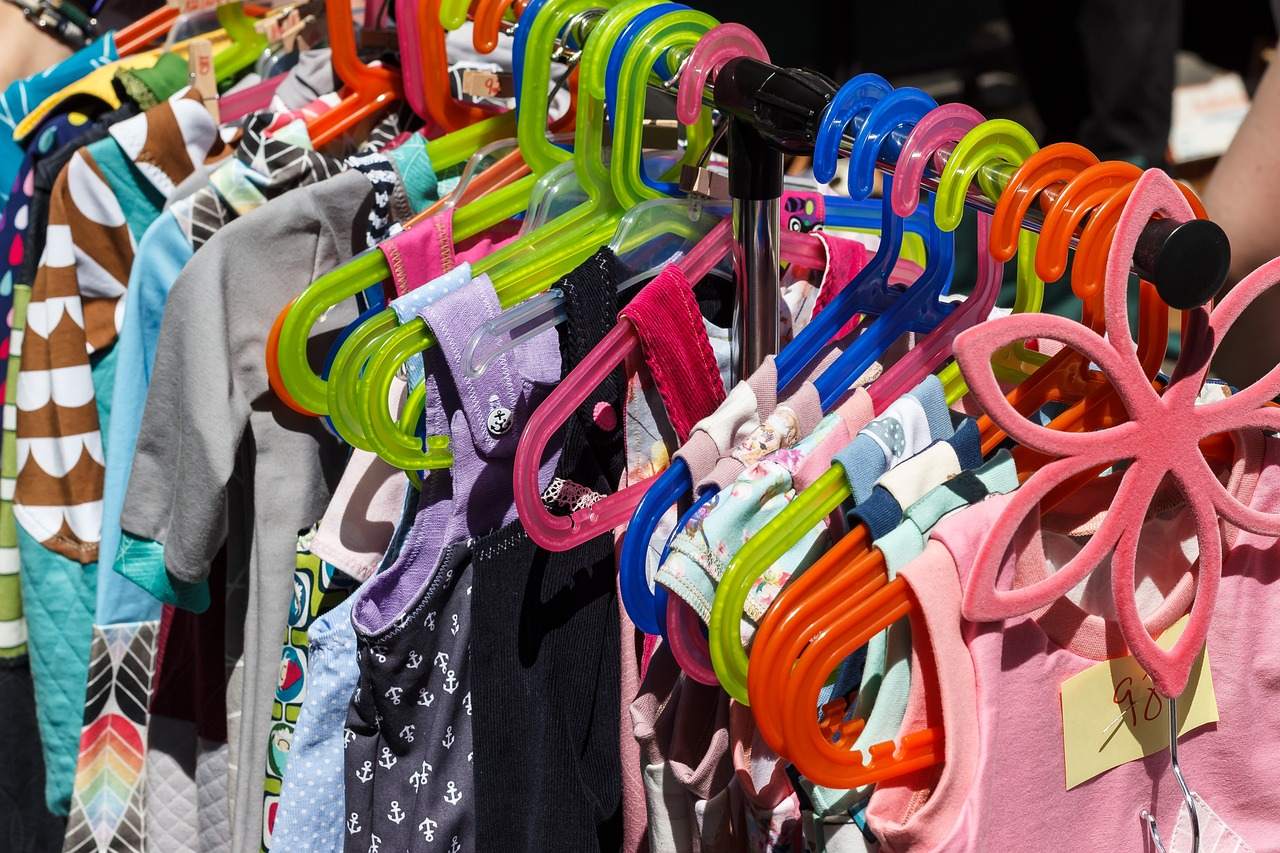
- Try secondhand shops, clothing swaps and rentals first, especially for one-off occasions.
- Check seams, fabric weight and fastenings, and favour pieces that can be mended.
- Repair buttons, hems and zips instead of replacing the garment.
- Look for credible ecological certification on labels.
One label to know is the EU Ecolabel. The European Parliament infographic says producers who respect its ecological criteria can apply it to items, with a limited use of harmful substances and reduced water and air pollution.
If you want to see how clothing fits into your overall emissions, it helps to understand what is a carbon footprint and how it is measured.
Wash and care for clothes to shed fewer microfibres
Laundry is a hidden source of plastic pollution. The European Parliament estimates that washing synthetics releases 0.5 million tonnes of microfibres into the ocean a year, and that laundering synthetic clothes accounts for 35% of primary microplastics released into the environment.
The load size matters. A single laundry load of polyester clothes can discharge 700,000 microplastic fibres that can end up in the food chain, according to the same infographic.
Simple habits reduce how often your clothes shed:
- Wash only when an item is actually dirty, and spot-clean or air it out otherwise.
- Run full loads instead of several small ones.
- Buy fewer synthetic pieces that you will not keep for long.
- Follow care labels so garments hold their shape and last.
What should you do with clothes you no longer wear?
Throwing clothes away is the habit to avoid. The European Parliament notes that people increasingly get rid of unwanted clothes by throwing them away rather than donating them.
- Repair or alter items that no longer fit well.
- Resell, swap or donate pieces that are still in good condition.
- Use a separate textile collection point for worn-out items where one exists.
Rules are tightening in Europe. As of the European Parliament’s 2021 infographic, a waste directive approved in 2018 means EU countries will be obliged to collect textiles separately by 2025, so local services should improve. Check your local council’s rules, since they vary.
International efforts are growing too. According to the UN News report, 10 different United Nations organizations established the UN Alliance for Sustainable Fashion, launched during the 2019 UN Environment Assembly in Nairobi.
Clothing is only one part of personal impact, and bigger-ticket choices such as electric cars vs gas cars deserve the same scrutiny.
Frequently asked questions
Is secondhand clothing better than buying new?
Show answer
In principle, yes. A garment that already exists has already used its water and energy, and wearing it again spreads that cost over more use. Condition and how often you will really wear it still matter.
Should you throw away the fast-fashion clothes you already own?
Show answer
No. Discarding them only adds to the waste stream. Wear them until they are worn out, then mend, pass them on or send them to a textile collection.
Can old clothes be recycled into new ones?
Show answer
It is still rare, partly because of inadequate technology, according to the European Parliament infographic. It mentions RESYNTEX, a Horizon 2020 project using chemical recycling that could offer a circular business model for textiles.
Does one person’s wardrobe really matter?
Show answer
Personal habits shape demand and how long garments stay in use. The same infographic also describes an EU strategy for textiles aimed at stimulating innovation and boosting reuse, so treat your wardrobe as one lever among several.