Wondering how to compost at home without smells or pests? Mix dry browns with fresh greens, keep the pile damp like a wrung-out sponge, and turn it regularly. Your kitchen scraps become free soil food.
This guide is part of our wider look at sustainable living, where small household habits add up.
| Item | Value |
|---|---|
| Ideal browns-to-greens ratio | Roughly three parts browns to one part greens by volume |
| Active pile temperature | 131 to 160 degrees Fahrenheit |
| Efficient pile size | Between 3 by 3 by 3 feet and 5 by 5 by 5 feet |
| Turning for faster compost | About every two to four weeks |
| Time to finished compost with frequent turning | About three months |
These figures come from EPA’s Approaches to Composting page and NDSU Extension’s How to Compost guide. Guidance can change, so check the sources before you rely on the figures.
What goes into a compost pile
Composting is aerobic, which means the microorganisms doing the work need oxygen, as well as water, carbon and nitrogen. EPA describes it as the managed, aerobic biological decomposition of organic materials by microorganisms.
Your pile needs two kinds of material, and NDSU Extension lists plenty of everyday examples of each:
- Greens (nitrogen): apple cores, leafy greens, onion skins, banana peels, eggshells and coffee grounds.
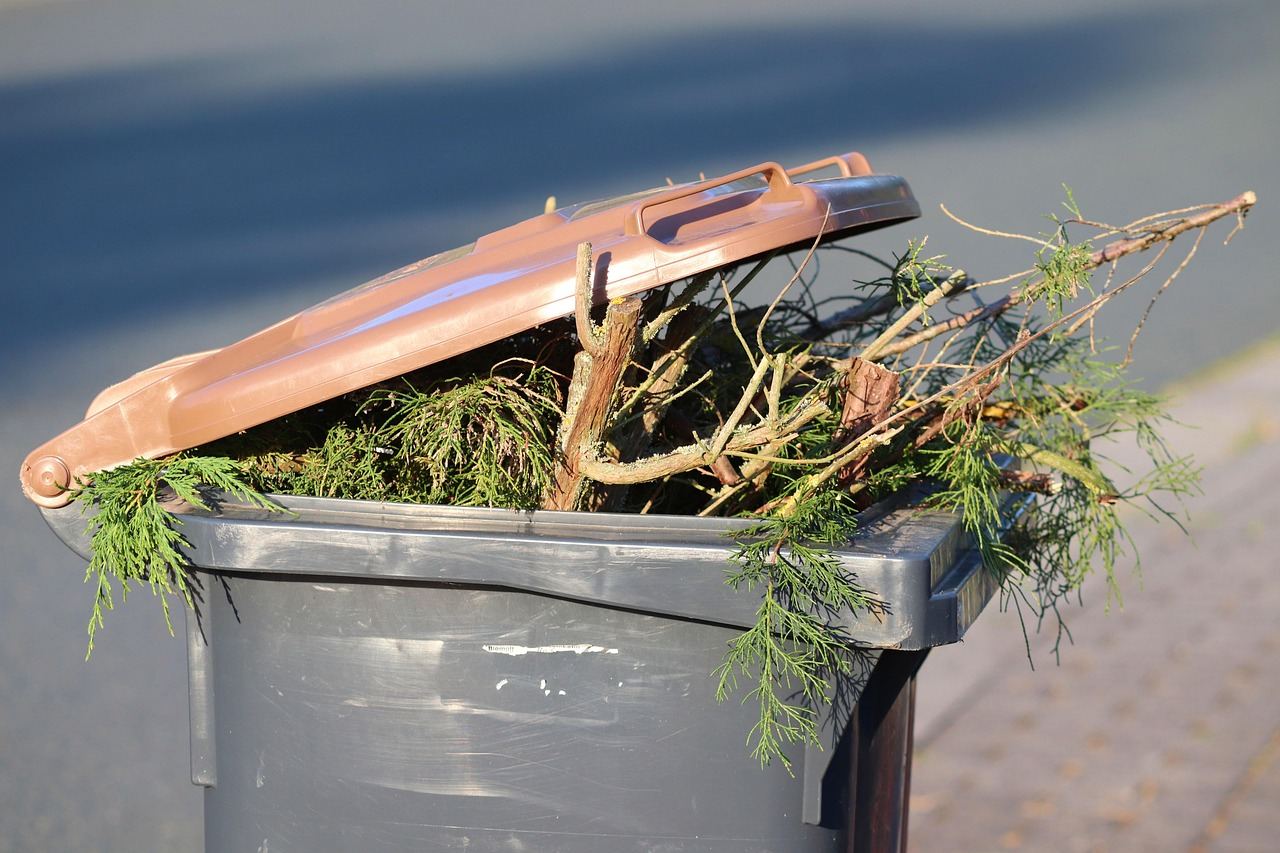
- Browns (carbon): leaves, shredded paper, newspaper, sawdust, straw, small twigs and wood chips.
Aim for roughly three parts browns to one part greens by volume, according to EPA. A mismatched ratio may lead to odors, pests or incomplete decomposition. Some guides, including NDSU’s, suggest an equal amount of browns and greens, so treat the ratio as a starting point and adjust by smell and texture.
The pile also needs moisture. Indiana University’s fact sheet says the compost should feel like a wrung-out sponge that holds its shape without water dripping out when you squeeze it.
What to keep out of a backyard pile
- Meat, fish and bones.
- Cheese, milk and other dairy products.
- Fats, oils and grease.
- Pet waste and cat litter.
- Diseased or pest-infested plants, and plants treated with herbicide.
- Glossy paper and produce stickers.
EPA notes that home systems mostly handle food scraps (except for meat, bones and dairy products) plus yard trimmings. It adds that backyard piles generally do not reach high enough temperatures to fully decompose some of these items.
Which home composting method suits you?
Most households choose between a backyard pile or bin and a worm bin. EPA lists vermicomposting, or worm composting, as an option for home composters alongside the backyard approach.
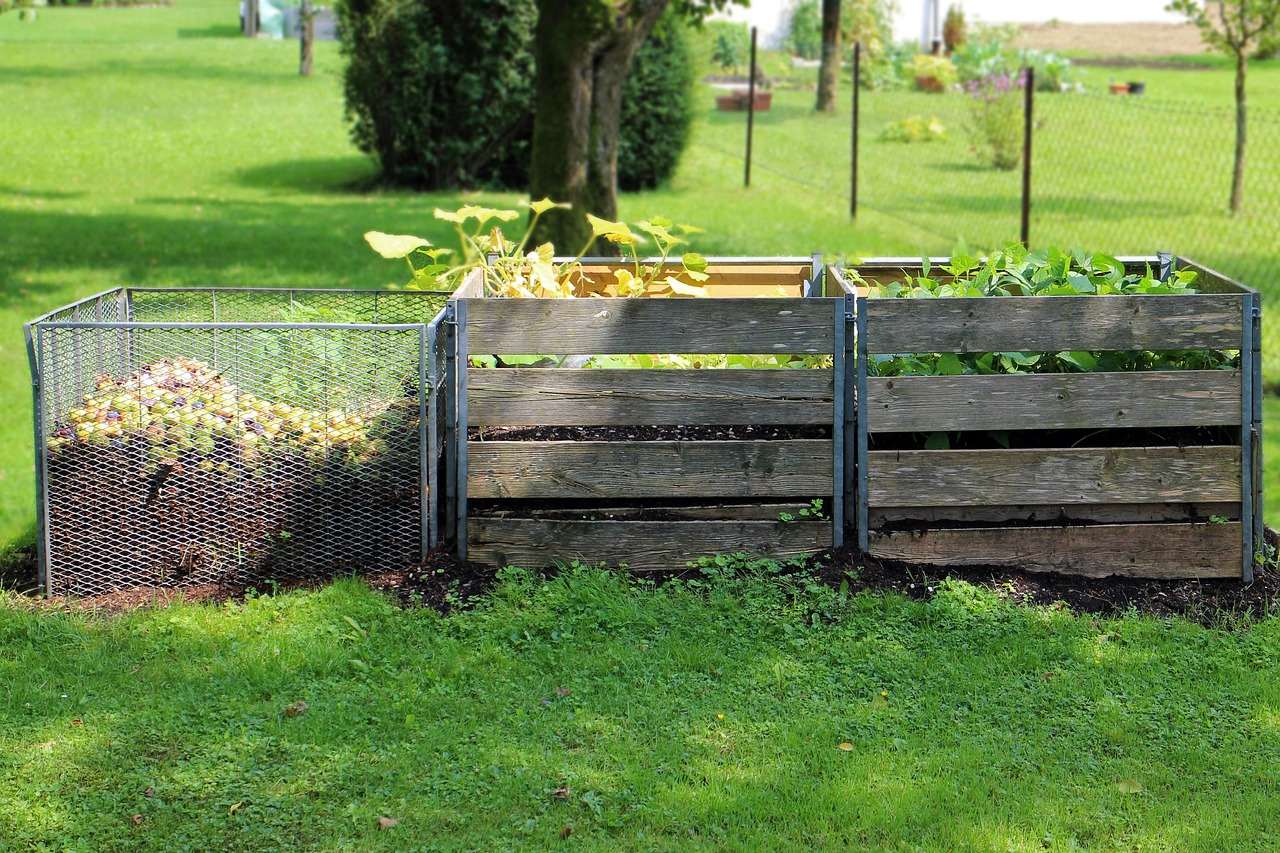
- Backyard bin or pile: suits anyone with outdoor space and a steady supply of leaves and kitchen scraps.
- Worm bin: a compact option for smaller spaces.
- Municipal or community program: an option if you have no space at all.
If you cannot compost at home, EPA suggests joining a local municipal or community program that may collect your food scraps or offer a drop-off location.
Speed is the other choice. Indiana University describes fast (hot) composting as more labor-intensive but producing results in a matter of weeks, while slow (cold) composting takes longer but still breaks materials down with minimal work.
Build and tend your pile step by step
- Keep a closed container for fruit and vegetable scraps on your counter, under the sink, or in the fridge or freezer, as EPA recommends.
- Pick a spot that is easy to reach all year and has good drainage, ideally near a water source. Your pile will break down in sun or shade.
- Chop tough scraps such as corn cobs and broccoli stalks into smaller pieces so they break down faster.
- Start with a four- to six-inch layer of bulky browns such as twigs and wood chips, then layer your greens and browns like lasagna.
- Bury fresh food waste under 10 inches of compost, as Indiana University advises, or at least 12 inches deep, as NDSU puts it.
- Moisten dry material as you add it, and turn the pile to bring in fresh air.
Size matters for heat. NDSU Extension recommends a pile between 3 by 3 by 3 feet and 5 by 5 by 5 feet so the center warms enough to break materials down.
A healthy hot pile sits in the 131 to 160 degrees Fahrenheit range, which EPA says promotes rapid decomposition and destroys pathogens and weed seeds. Below that range, decomposition runs more slowly and pathogens and weed seeds may remain in the final compost.
How long does it take, and what if something goes wrong?
With frequent turning, NDSU Extension says compost can be ready in about three months, depending on the time of year. Indiana University gives a wider window of two months to two years, depending on inputs and pile conditions.
Turning more often speeds things up. NDSU puts the faster rhythm at about every two to four weeks, and says the average composter turns the pile every four to five weeks.
Most problems have a simple fix:
- Smelly, heavy or soggy: stir the pile and add more browns if you have them.
- Pests: leave out meat and fatty products and use a rodent-resistant bin such as a secure barrel or tumbler.
- Slow to break down: chop materials smaller, check the moisture and turn the pile more often.
The first two fixes come from NDSU Extension. The dark, rich color that signals readiness is described by Indiana University.
Using your finished compost
Make sure the compost has fully decomposed before it goes near plants. NDSU Extension suggests spreading up to 3 inches on top of the soil and working it in about 8 to 12 inches, with a fresh layer each year for vegetable or flower beds.
You can also use it as mulch around tomato plants, trees and shrubs, or in pots. For potted plants, the University of California recommends one part compost to three parts potting soil, as relayed in the same NDSU guide.
Why composting is worth the effort
Food scraps and garden waste together make up more than 28 percent of what Americans throw away, according to NRDC’s guide, which cites the EPA. The same guide says landfills are the third-largest source of human-generated methane emissions in the United States.
Compost also helps your soil. EPA says it lets soil absorb and hold more water, which reduces erosion and flooding in heavy rain and helps soil retain water during droughts. NRDC adds that each 1 percent increase in soil organic matter helps soil hold 20,000 gallons more water per acre.
There is a money angle too: you produce a free soil amendment that reduces your use of fertilizer and pesticides.
If you are ready for bigger decisions, our comparison of electric cars vs gas cars walks through the trade-offs. Clothing is another place to cut waste, and our guide to sustainable fashion covers it.
Frequently asked questions
Can I compost cooked food, meat or dairy?
Show answer
It is safest to leave them out of a backyard pile, where they can draw animals. Some commercial facilities do take them, so ask your local program before putting them in a collection bin.
Do I need a yard to compost?
Show answer
No. The EPA’s Recycle City page says you can compost indoors with a special bin that you buy or make yourself, as described on that page.
Should I keep turning my pile in winter?
Show answer
Not late in the year. NDSU Extension advises stopping after November so heat stays in the center of the pile.
Will a compost bin smell or attract pests?
Show answer
A well-managed bin should not. EPA’s Recycle City says a properly managed compost bin will not attract pests or rodents and will not smell bad, so keep track of what you add.