Trying to make sense of renewable vs nonrenewable energy? Here is the short answer: renewable sources like sun and wind are replenished by nature, while nonrenewable ones like coal and oil are limited to what can be mined or extracted.
This comparison is part of our wider look at renewable energy, where each source gets more room.
| Item | Value |
|---|---|
| Major renewable sources named by the EIA | Five: solar, geothermal, wind, biomass and hydropower |
| Nonrenewable sources named by the EIA | Uranium ore plus the fossil fuels coal, natural gas and crude oil |
| Time fossil fuels took to form | Thousands of years, from remains of life that lived millions of years ago |
| Fossil fuels began replacing renewables in the US | Early 1800s |
| Fossil fuels became the primary US fuel source | By the early 1900s |
| Renewables began increasing again | Mid-1980s |
These figures come from the EIA’s Sources of energy page and its Energy Kids overview. Figures can change, so check the source before you rely on them.
What separates renewable from nonrenewable energy?
The U.S. Energy Information Administration (EIA) says all energy sources are either renewable or nonrenewable. The dividing line is replenishment: nature refills renewable sources, but nonrenewable ones cannot be made again in a short period of time, as the EIA’s Energy Kids page explains.
Both groups can serve as primary sources, meaning energy in its original form, to produce heat. They can also feed secondary sources such as electricity and hydrogen, according to the EIA.
Nonrenewable energy: fossil fuels and uranium
The EIA’s Energy Kids overview lists these nonrenewable sources:
- Crude oil (petroleum)
- Natural gas
- Coal
- Uranium ore, used for nuclear energy
Their supplies are limited to what can be mined or extracted from the earth, and they take a very long time to form. Coal, natural gas and petroleum needed thousands of years to form from buried remains of ancient sea plants and animals, which is why they are called fossil fuels, per the EIA.
Uranium is the odd one out. It is not a fossil fuel, but the EIA classifies it as nonrenewable. It turns up throughout the earth’s crust, yet most of it is too difficult or too expensive to mine and process into fuel for nuclear power plants.
Renewable energy: five major sources
The EIA names five major renewable sources:
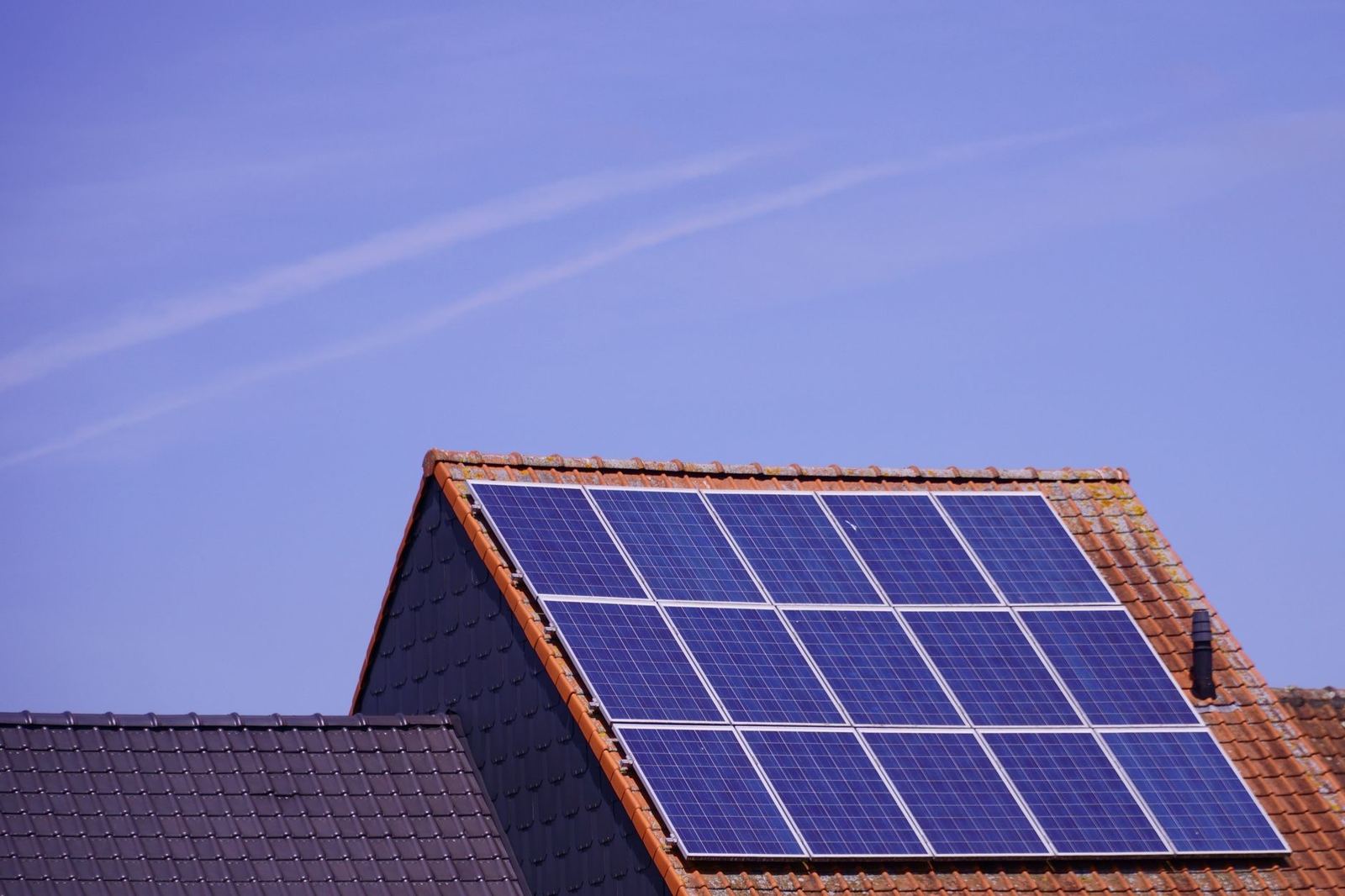
- Solar energy from the sun
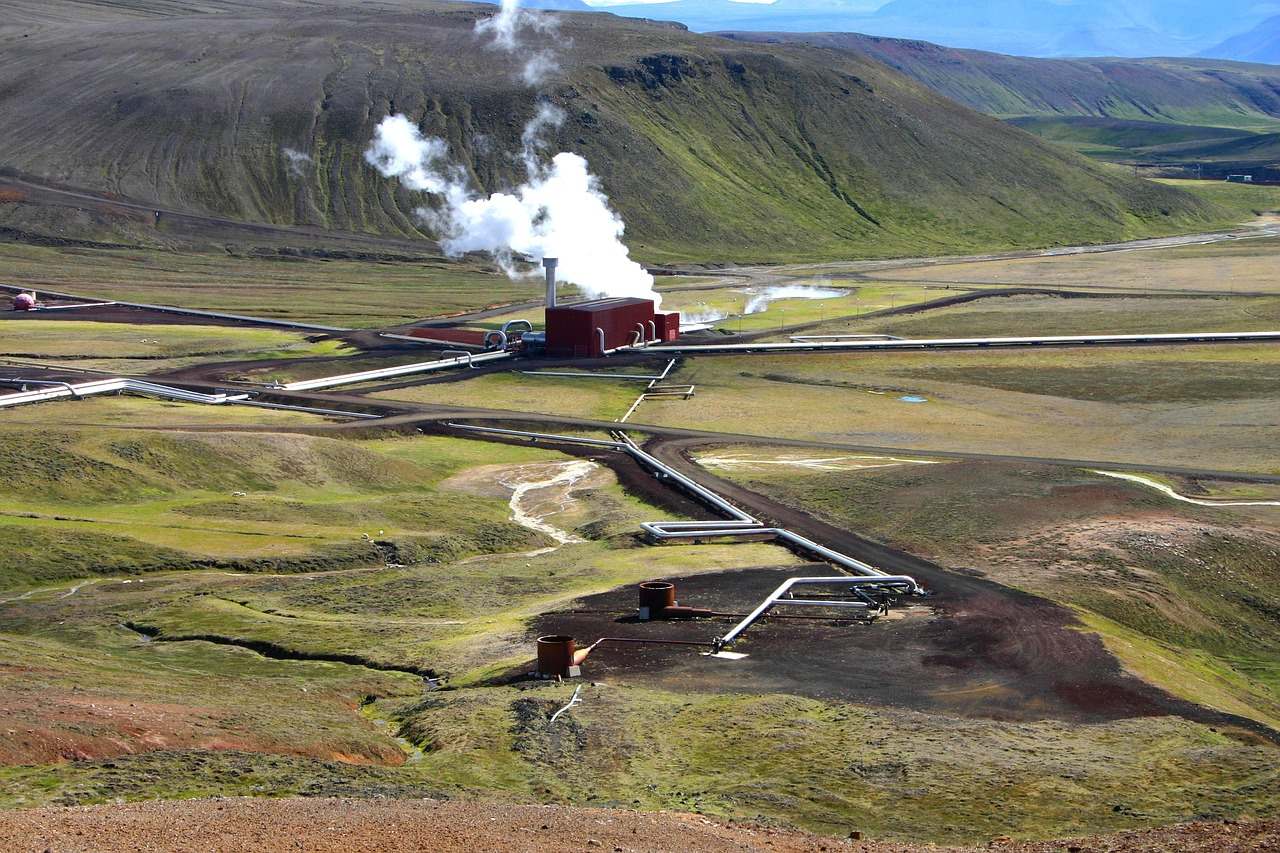
- Geothermal energy from heat inside the earth
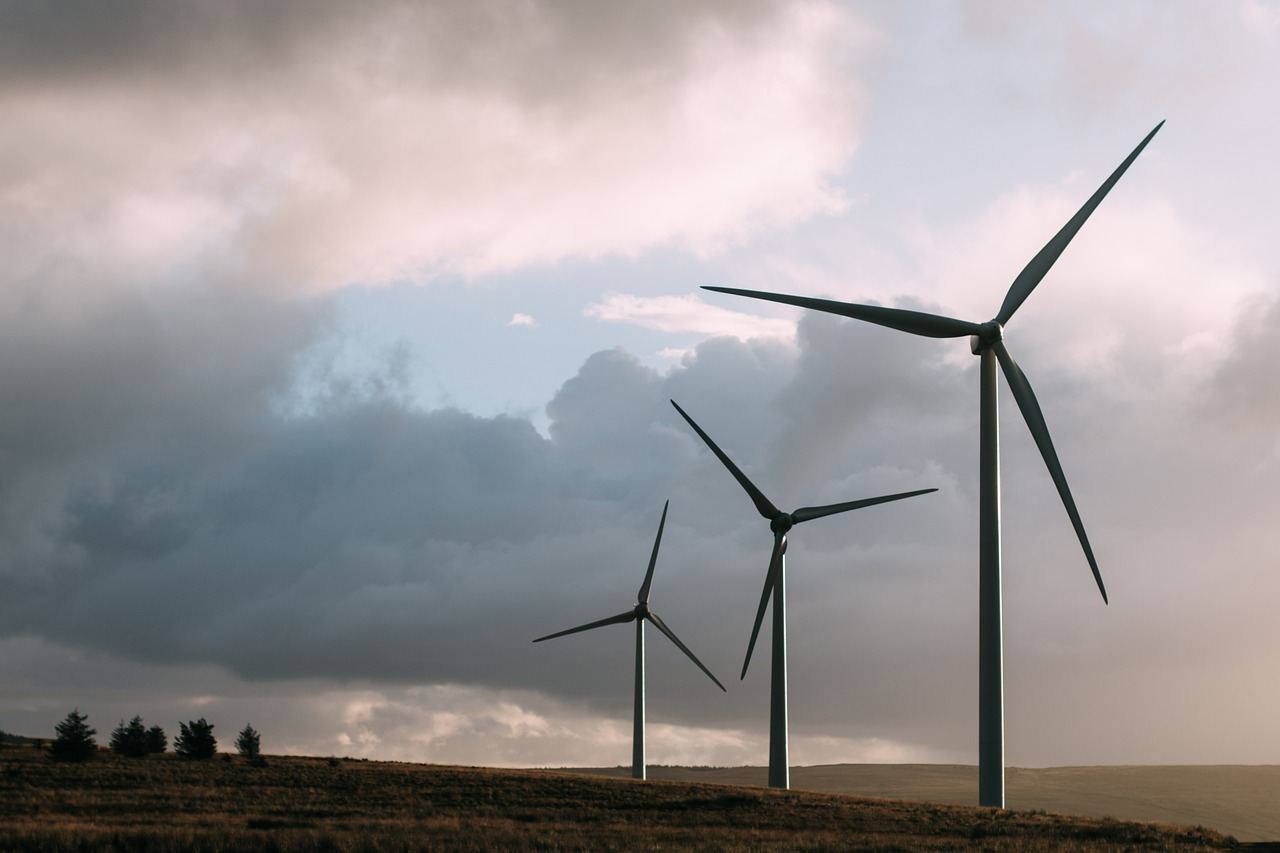
- Wind energy, which comes from uneven heating by the sun
- Biomass from plants
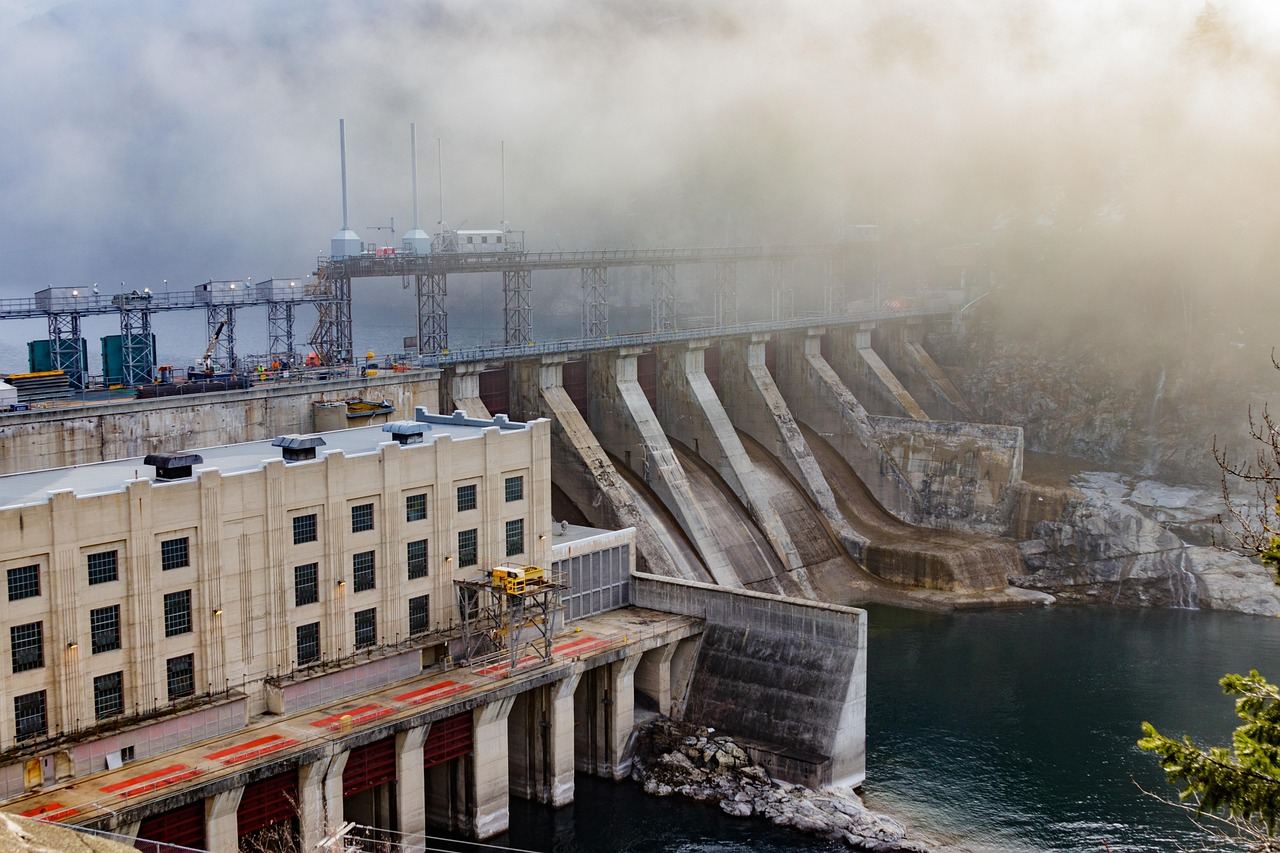
- Hydropower from flowing water
Day after day the sun shines, the wind blows and rivers flow, so these sources are virtually inexhaustible. The catch is availability: solar energy, for example, can only be collected while the sun is shining.
If you want the technology behind the sun’s share, our guide on how do solar panels work walks through it step by step.
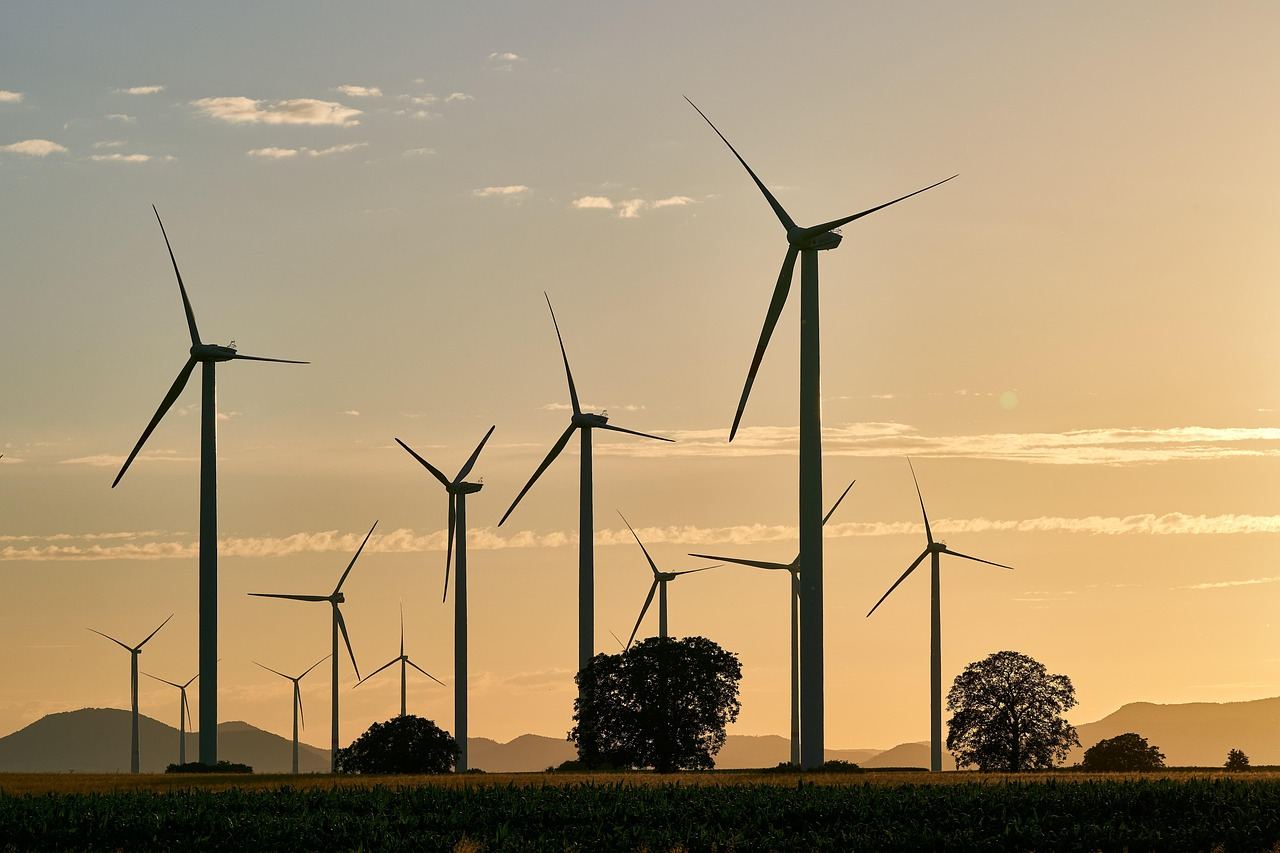
Renewable vs nonrenewable energy at a glance
- Supply: renewable sources are refilled by nature; nonrenewable ones are capped by what can be extracted.
- Origin: fossil fuels come from ancient buried life, while renewables draw on sunlight, heat from the earth and moving water or air.
- Limits: nonrenewable fuels face a shrinking resource; renewables face timing, such as no sun at night.
- Uses: most renewable energy goes to producing electricity, says the EIA.
Electricity and hydrogen: neither one nor the other
The sources used to generate electricity can be renewable or nonrenewable, but the EIA states that electricity itself is neither. It is a secondary source, made from something else.
Hydrogen works the same way. It stores and carries energy produced from fossil fuels, water or biomass. Our guide to green hydrogen looks at that carrier in more detail.
How the balance shifted over time
For most of human history, biomass from plants was the primary source of energy, burned for heat and light and to cook food, per the EIA. Fossil fuels began replacing it in the United States in the early 1800s and became the primary fuel source by the early 1900s.
In the mid-1980s, biomass and other renewables began increasing again, largely because of incentives, especially for electricity generation, according to the EIA. Biomass still heats homes in rural areas.
Frequently asked questions
Is nuclear energy renewable?
Show answer
No. Nuclear plants run on uranium, which is mined and converted into fuel. The EIA’s Energy Kids page says uranium is not a fossil fuel yet still counts as nonrenewable.
Is electricity a renewable energy source?
Show answer
It depends on how it was made. A wind farm and a coal plant both deliver electricity, but the label belongs to the fuel behind it, as the EIA’s overview makes clear.
Why are coal, oil and gas called fossil fuels?
Show answer
They formed from the buried remains of ancient plants and animals over a vast stretch of time. That origin gives them the name, according to the EIA.
If renewable sources never run out, what limits them?
Show answer
Timing and location. The EIA notes that these sources are limited by availability, and sunlight is the plainest case, since it arrives only in daytime.