Wondering what renewable energy really is, and whether it can power your life? It is energy from sources nature replenishes, such as sun, wind, water and Earth’s heat. Here is how each type works and where it falls short.
| Item | Value |
|---|---|
| Main types of renewable energy | 5 main types: biomass, geothermal, hydropower, solar, wind |
| Global wind capacity, 2017 | More than 539,000 megawatts |
| Growth in wind capacity, 2001 to 2017 | More than 22 fold |
| Growth in installed solar PV capacity, 2007 to 2017 | 4,300 percent |
| Solar share of U.S. electricity, 2017 | Around 2 percent |
| Estimated marine energy output | 500 megawatts |
These figures come from the National Geographic explainer and the U.S. Energy Information Administration. Several are 2017 snapshots and the numbers can change, so check the sources before you rely on them.
What is renewable energy?
Renewable energy comes from natural resources that are replenished faster than people use them, such as the sun, water and wind, according to IBM’s overview of renewable types. Fossil fuels such as oil, coal and natural gas are finite and release greenhouse gases when burned.
The climate case is simple. Sources such as solar and wind do not emit carbon dioxide and other greenhouse gases that contribute to global warming, as National Geographic explains. Humans have relied heavily on fossil fuels for roughly 150 years, and the gases from burning them have reached historically high levels.
The word itself carries some debate. National Geographic points out that renewable does not automatically mean sustainable, and that the usual definition also leaves out energy efficiency and nuclear power.
For a direct side-by-side, see our guide to renewable vs nonrenewable energy. If you want the wider science of warming, our primer on climate change covers it.
The main types of renewable energy
The U.S. Energy Information Administration lists five main types of renewable energy on its types and usage page. In its wording:
- Biomass: energy from nonfossilized plant materials.
- Geothermal: heat from the hot interior of the Earth.
- Hydropower: electricity produced from flowing water.
- Solar: radiation from the sun turned into heat and electricity.
- Wind: turbines that are usually grouped together in wind farms.
The sections below take each one in turn, with a link to a deeper guide where we have one.
Solar energy
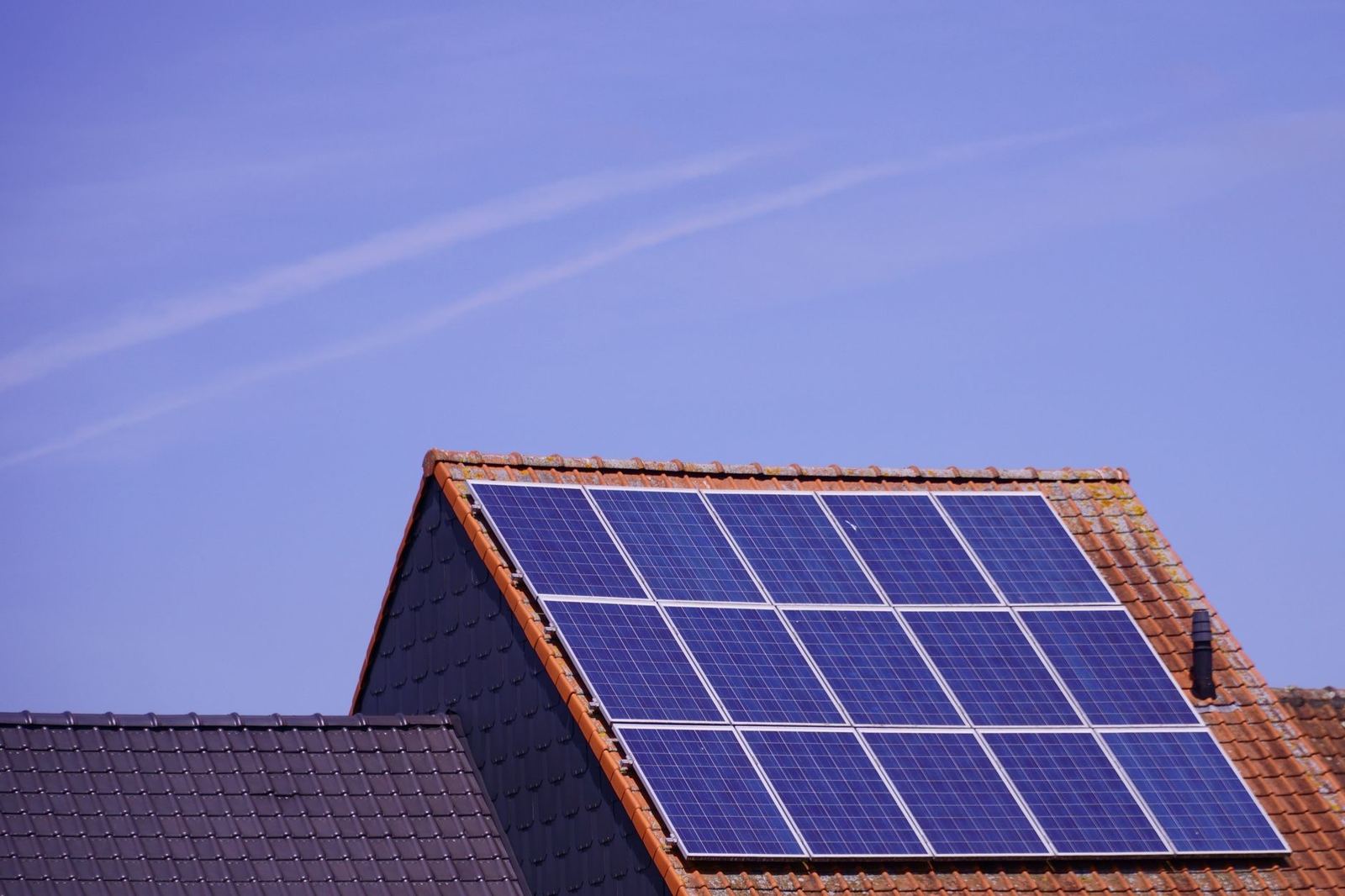
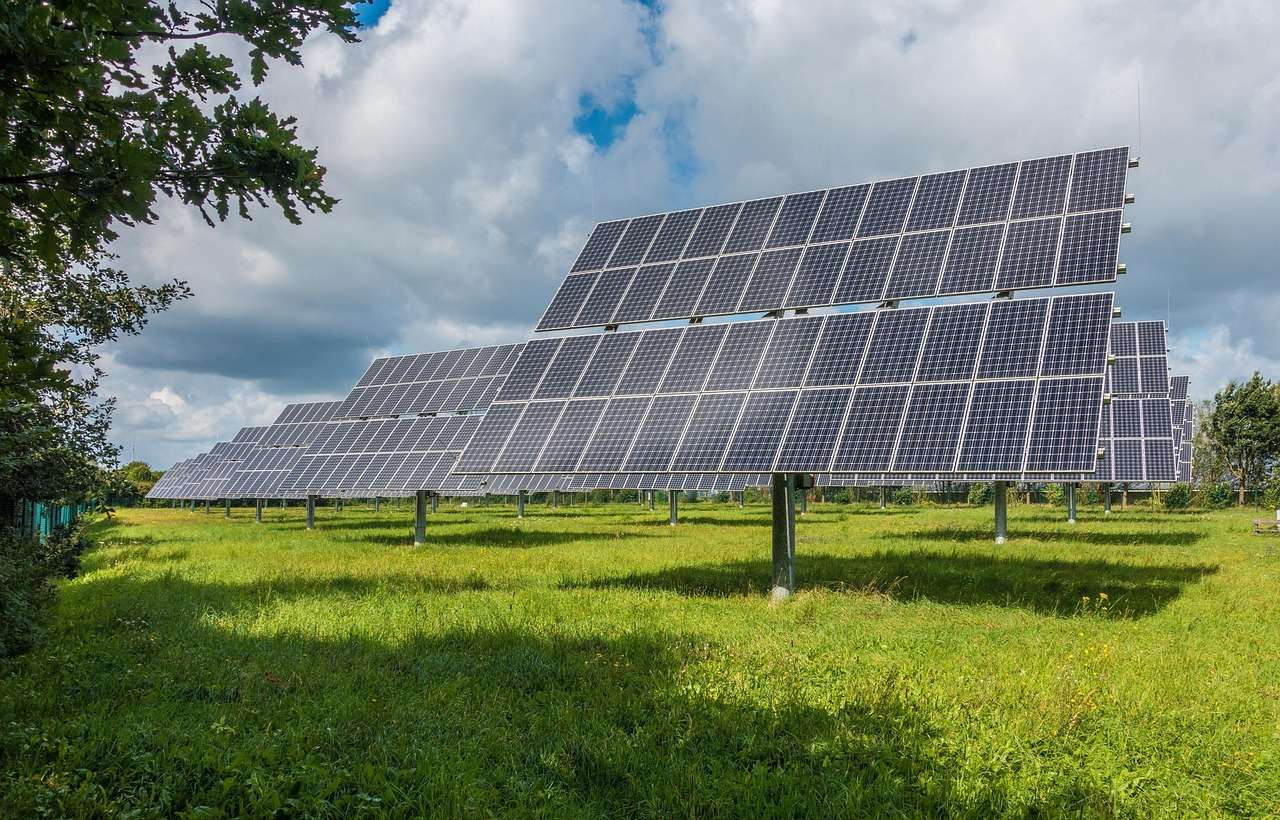
Solar systems use radiation from the sun to make heat and electricity. The EIA describes three basic categories: photovoltaic systems that turn sunlight directly into electricity, solar thermal heating that warms water or air, and solar thermal power plants that focus the sun’s rays to heat a fluid.
Growth has been steep. Installed photovoltaic capacity rose 4,300 percent between 2007 and 2017, yet solar still supplied only around 2 percent of U.S. electricity in 2017, according to National Geographic.
IBM notes that homes and businesses install rooftop panels for on-site electricity, while solar farms on vacant land serve industrial users. Cloud movement, weather and tree location are among the challenges for panels.
Our separate explainer answers the question how do solar panels work in more detail, down to the cells themselves.
Wind energy
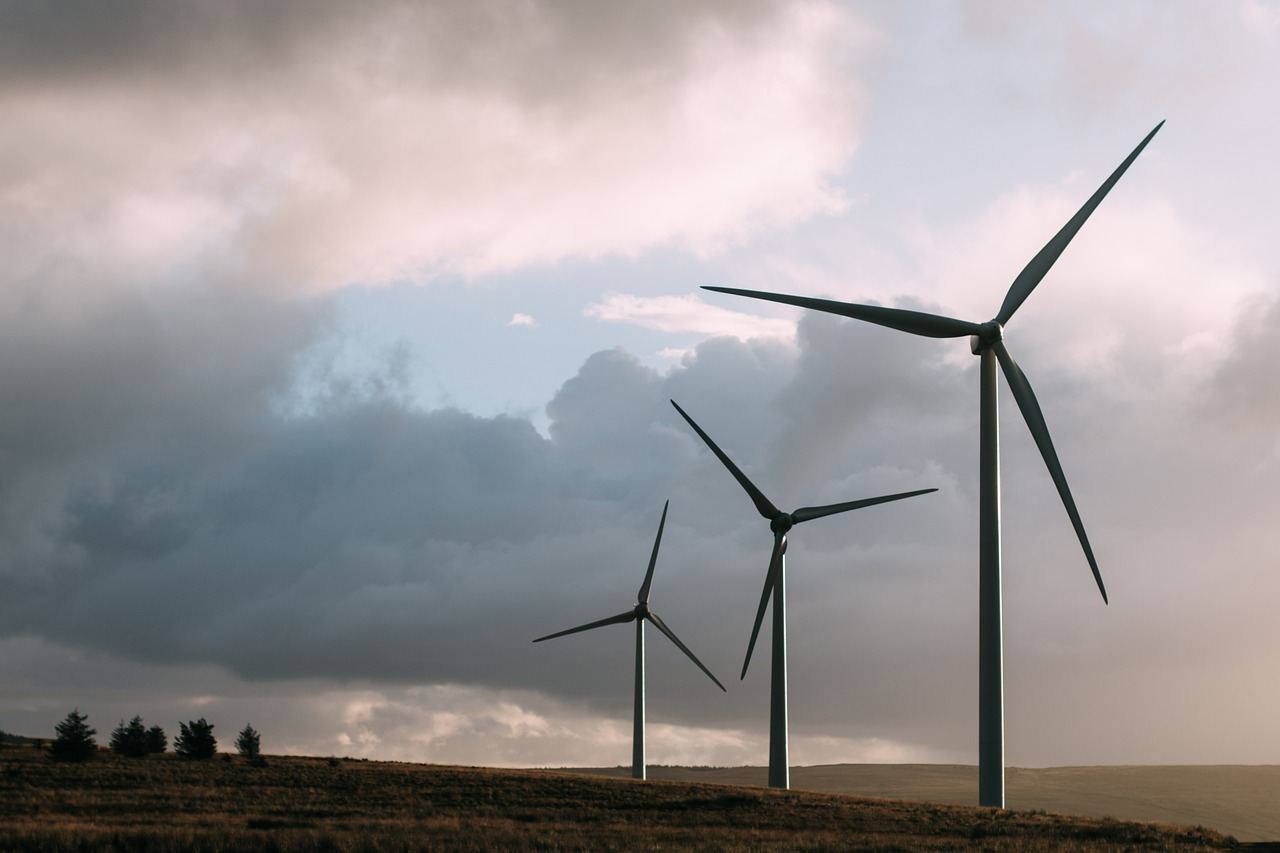
People started harnessing the wind more than 7,000 years ago, per National Geographic. According to the EIA, most U.S. wind farms sit in the Central region of the country.
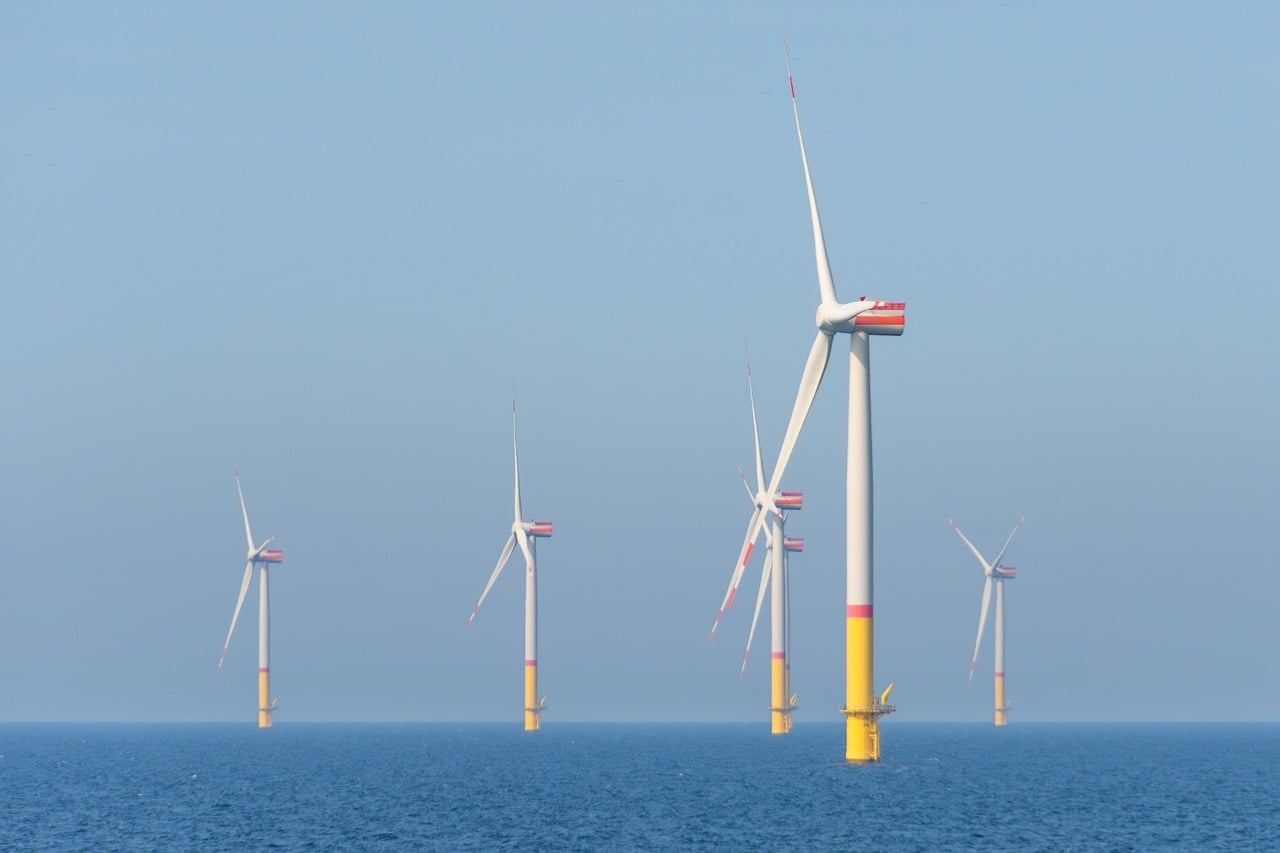
Global capacity rose to more than 539,000 megawatts in 2017, more than 22 fold above its 2001 level. Most wind power comes from onshore turbines, but offshore projects are appearing too, with the most in the U.K. and Germany. The first U.S. offshore wind farm opened in 2016 in Rhode Island, as National Geographic reports.
Our guide answering how do wind turbines work covers the machinery behind the blades.
Hydropower
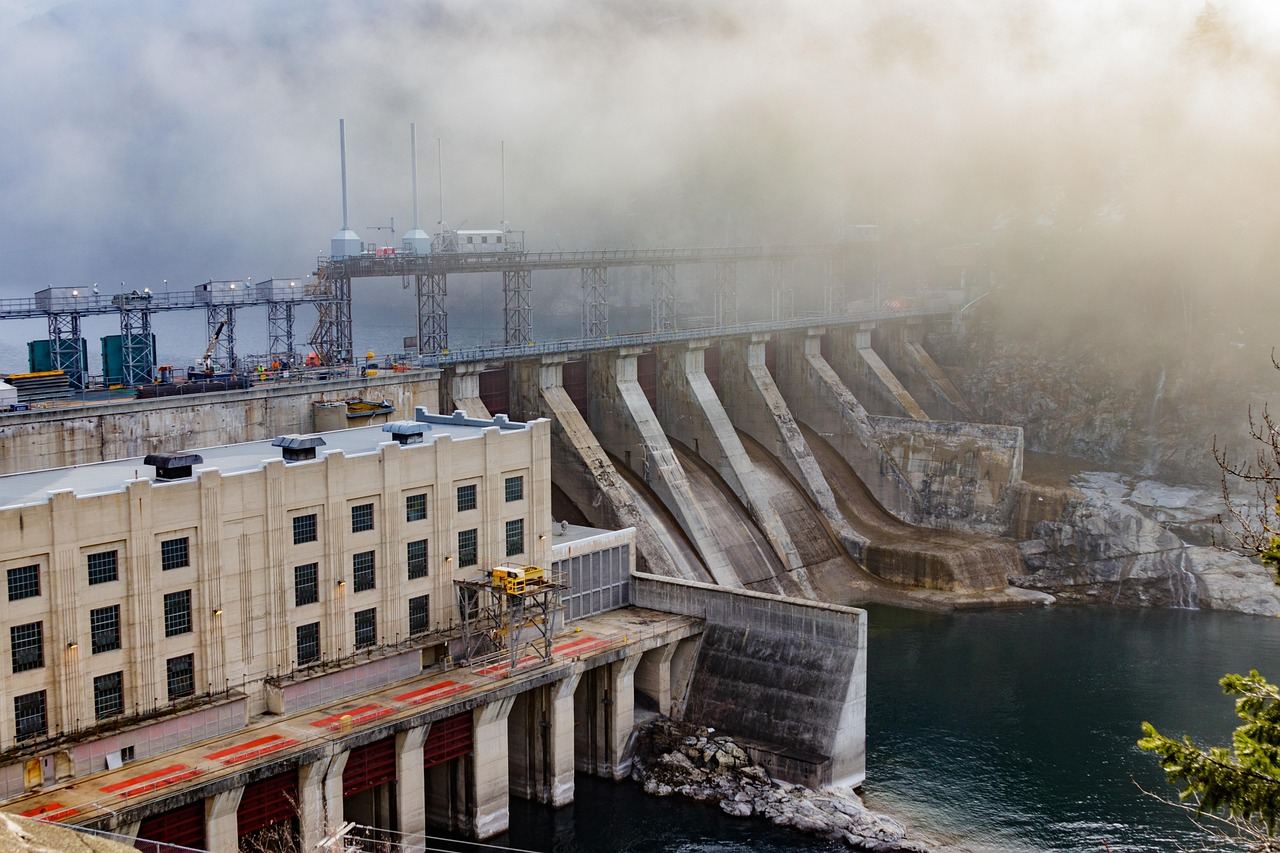
Hydropower is the largest renewable source worldwide by a wide margin, and China, Brazil, Canada, the U.S. and Russia lead production, according to National Geographic.
The EIA separates two types. Conventional systems use water in dams or flowing in streams and rivers to spin a turbine, while pumped-storage systems move water between two reservoirs at different elevations.
Large dams can disrupt river ecosystems and displace residents, and decaying material in reservoirs releases methane. Drought matters too: a 2018 study found that carbon dioxide emissions in the western U.S. over a 15-year period were 100 megatons higher than normal, because utilities replaced lost hydropower with coal and gas. Both points come from National Geographic.
Tidal and wave projects aim to capture the ocean’s rhythms, and the same explainer puts marine energy output at an estimated 500 megawatts, under one percent of all renewables (source). Our full guide to hydropower goes into more depth.
Geothermal energy
Geothermal systems draw on heat from the Earth’s interior. On a large scale, wells that can go a mile deep or more tap reservoirs of steam and hot water to generate electricity, per National Geographic.
On a smaller scale, geothermal heat pumps use the near-constant temperature near the surface for heating and cooling buildings, as the EIA describes. Side effects need managing, such as the rotten egg smell of released hydrogen sulfide.
Our guide to geothermal energy explains both approaches.
Biomass energy
Biomass draws its power from plant matter that has not fossilized. The EIA splits it into three groups: biofuels, municipal solid waste with biogas, and wood.
Like solar, biomass is flexible, able to fuel vehicles, heat buildings and produce electricity, according to National Geographic. IBM adds that bioenergy offers more consistent generation than solar and wind, though it causes low-level greenhouse gases.
Critics of corn-based ethanol say it competes with the food market for corn. Our guide to biomass energy weighs that debate.
Benefits of renewable energy
The gains go beyond cleaner air. National Geographic says the growing sector:
- creates jobs;
- makes electric grids more resilient;
- expands energy access in developing countries; and
- helps lower energy bills.
IBM says most renewable sources produce zero carbon emissions and minimal air pollutants. That is why knowing the options is a key step towards reducing your carbon footprint.
Cost trends help as well. Wind energy’s prices are declining, and National Geographic calls it too valuable a resource to deny despite objections to its looks and sound.
What are the downsides of renewable energy?
Every source has trade-offs, and a few are worth weighing before you form a view:
- Wildlife: wind turbines endanger birds and bats, killing hundreds of thousands annually. That is fewer than glass collisions and habitat loss cause, but enough that engineers are working on safer designs, per National Geographic.
- Silt: buildup behind hydropower dams can compromise capacity and harm equipment.
- Sustainability doubts: IBM says landfill-use effects and low-level greenhouse gases cast doubt on how sustainable biomass really is.
None of these erase the climate case. They are reasons to site and design projects with care.
Keeping the lights on: grids, storage and hydrogen
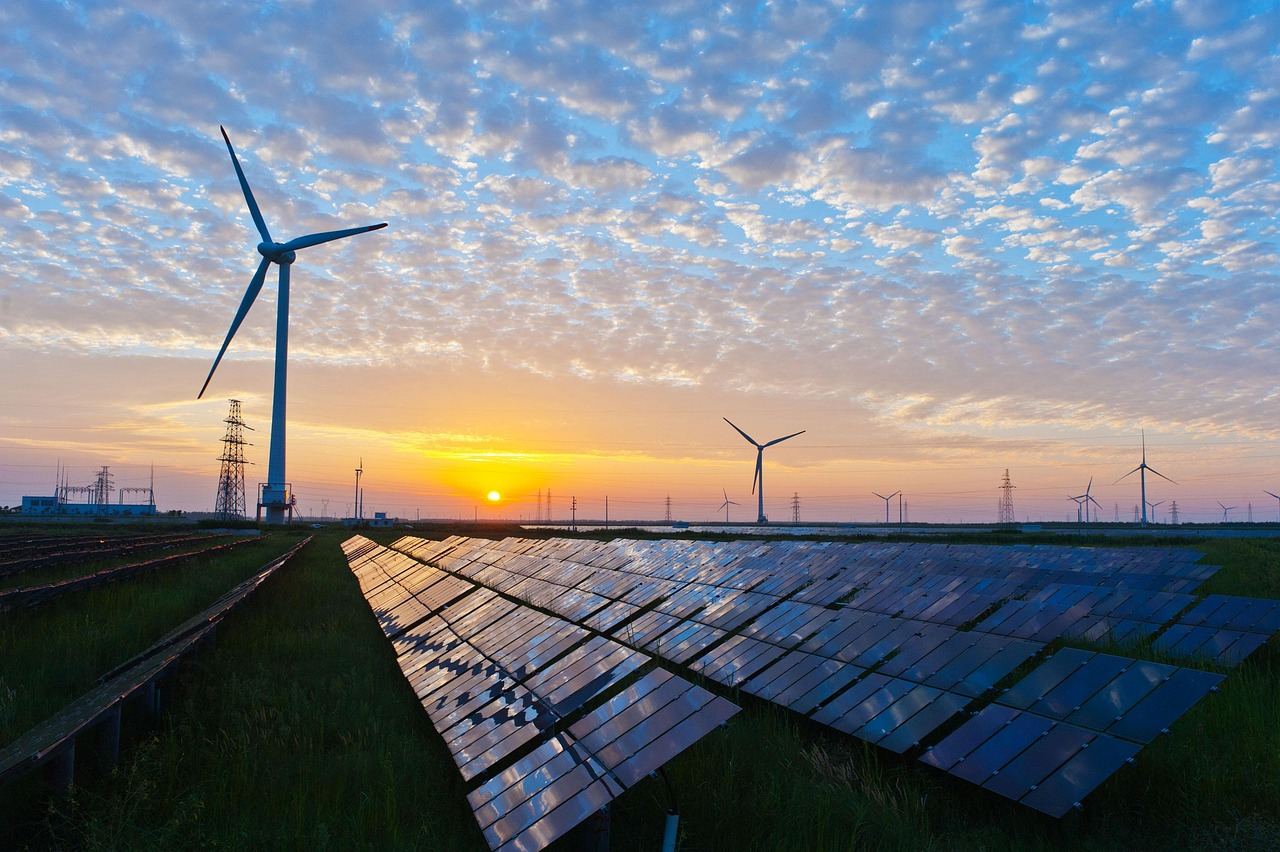
Solar and wind output follows the weather. Unlike them, geothermal energy is always available, as National Geographic notes.
Many power grids combine renewable power and fossil fuels to provide a stable electric supply, according to IBM. Small independent networks called microgrids connect into the main grid and use renewable and alternative sources to balance load.
Storage helps fill the gaps. Our guide to battery energy storage explains how stored power can cover the hours when the sun sets or the wind drops, and pumped-storage hydropower, covered above, is another example.
A different route is green hydrogen, which our separate guide covers as a way to store and carry clean energy.
What renewable energy means for your home
You do not need to own a wind farm to use these ideas. IBM says the best choice can rest on convenience, cost-effectiveness or other factors, whether that is an on-site system, a mixed grid or a hybrid of both.
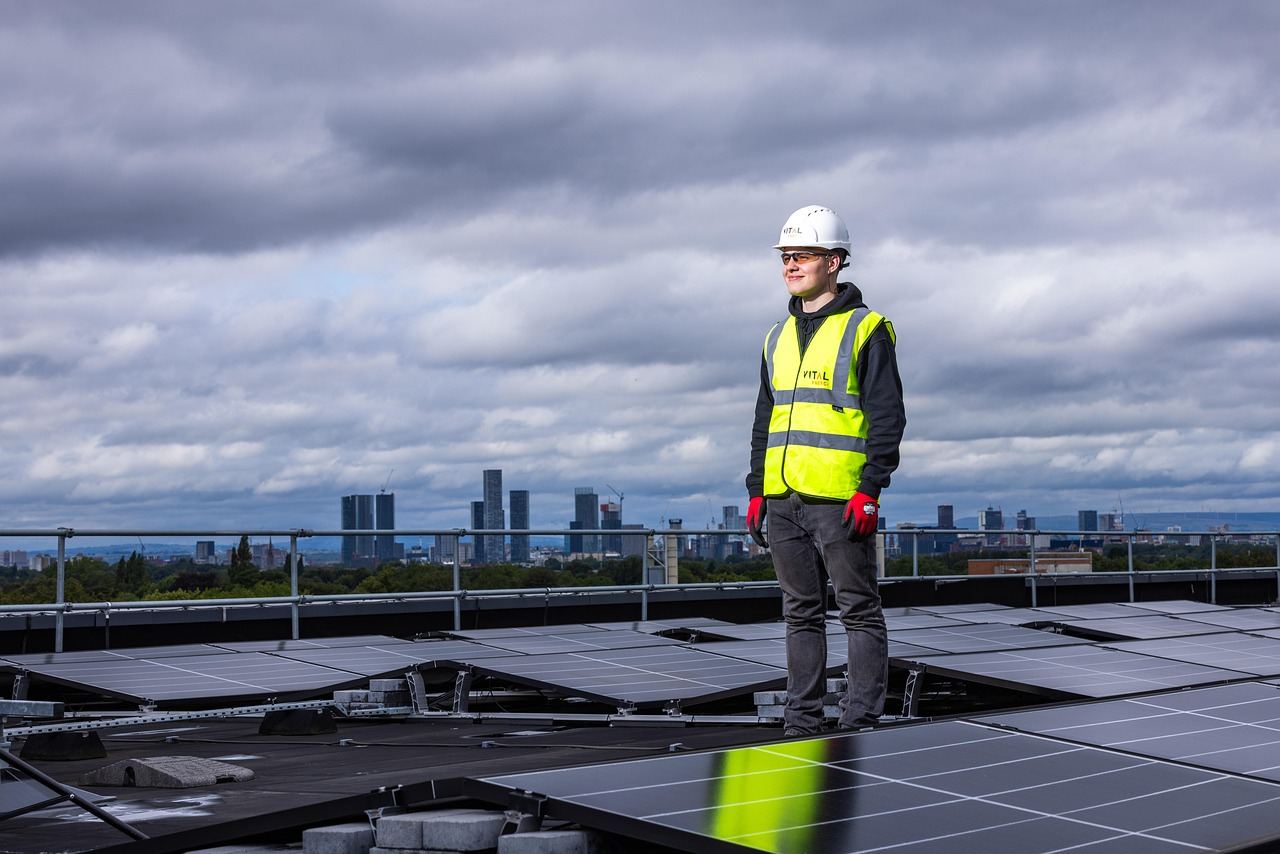
- Rooftop solar: panels on a home generate electricity on site.
- Geothermal heat pumps: they heat and cool buildings using the steady temperature of the ground.
- Grid mix: ask how your local supply is generated, since most grids blend several sources.
For everyday steps beyond energy, our sustainable living guide is a sensible next stop.
Frequently asked questions
Is nuclear power renewable?
Show answer
Not by the usual definition. It depends on uranium, which IBM describes as a rare, non-renewable mineral, although nuclear is still regarded as a low-carbon source.
Do renewables produce any emissions at all?
Show answer
Most produce zero carbon emissions and minimal air pollutants, according to IBM. Reservoir-based hydropower and bioenergy are the usual exceptions.
Can wind and solar power a grid by themselves?
Show answer
Weather limits them, so operators usually rely on a blend of sources instead. IBM notes that many grids pair renewables with fossil fuels for stability.
What is the difference between photovoltaic and concentrating solar power?
Show answer
Photovoltaic panels turn light straight into electricity, while concentrating plants use mirrors to gather the sun’s heat, as National Geographic explains. IBM says photovoltaics suit smaller-scale uses and concentrating plants mainly serve utility and industry scale.