You may wonder whether burning wood and crops for power really counts as green. Biomass energy is only as renewable as its fuel: sawmill residues can help the climate, while whole trees often add carbon for decades.
Biomass is one of the most debated options within the wider field of renewable energy.
| Item | Value |
|---|---|
| Share of Europe’s renewable energy from biomass | Almost 60% |
| Year the European Commission set renewable energy mandates that accepted biomass | 2009 |
| Wood’s emissions compared with coal, per kWh of electricity | One-and-a-half times more |
| Wood harvest needed to supply 2% more global energy from biomass | Doubling of total wood harvests |
| Paris Agreement temperature limit above pre-industrial levels | 1.5°C |
These figures come from a Kleinman Center commentary and an NRDC summary of a Chatham House report. Figures can change, so check the sources before you rely on them.
What biomass energy is and where it is used
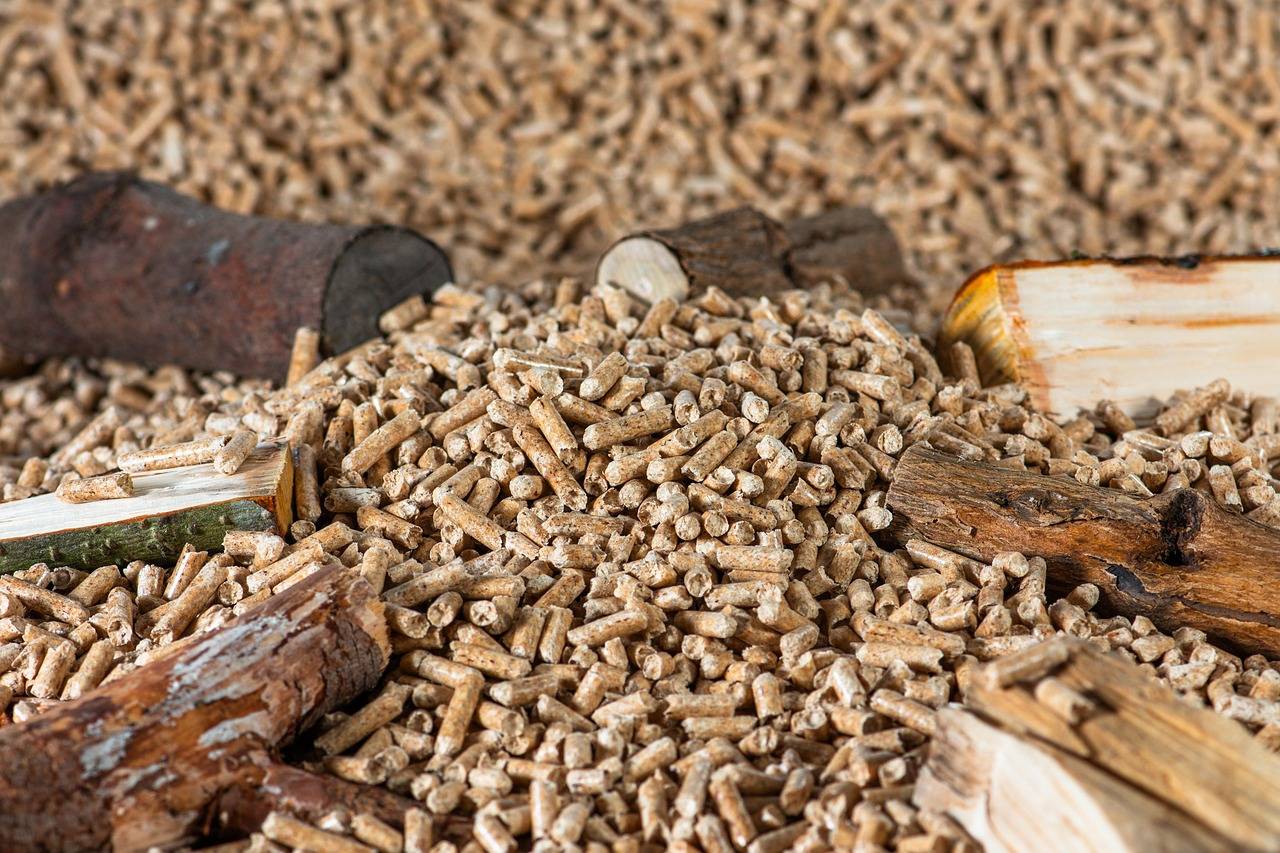
Biomass means burning trees or crops to generate energy. When the European Commission established renewable energy mandates in 2009, it accepted biomass as one of the renewable sources, as the Kleinman Center describes.
Supporters point to a few practical strengths:
- It is widely available.
- It is a predictable source of energy.
- It is useful in industries where wind and solar are impractical, such as transportation and shipping.
The fuel has spread quickly in Europe. By the Kleinman Center’s account, almost 60% of the renewable energy produced there comes from biomass, usually as wood pellets (source).
Is burning wood really carbon neutral?
Industry leaders argue that emissions from burning are offset by newly planted crops, which re-absorb carbon as they grow. As of the Kleinman Center’s June 2021 post, the EU defines biomass as carbon neutral, so member states do not need to account for the emissions from burning it (source).
Critics say the math does not hold. Research cited there found that wood generates one-and-a-half times more carbon emissions than coal for each kWh of electricity produced.
The NRDC summary of the Chatham House report gives the physical reason. Wood has a lower energy content and a higher moisture content than fossil fuels, so burning it usually emits more carbon per unit of energy (source).
The carbon debt problem
Burning releases carbon at once, while regrowth is slow. Kleinman notes that studies suggest it takes decades, if not centuries, for replanted trees to absorb that carbon, which creates a carbon debt (source).
Chatham House adds that the debt is not offset automatically, and that it lasts from a few years to many decades depending on the feedstock. It argues that ignoring this timing overlooks near-term climate tipping points and the 1.5°C limit in the 2015 Paris Agreement (source).
Which biomass fuels do less harm
Not all biomass behaves the same way. The NRDC summary stresses that the size of the carbon debt depends on what is burned, for example whole trees, logging residues or mill waste.
- Whole trees: the report says harvesting them for energy will in almost all circumstances raise net emissions very substantially compared with fossil fuels.
- Sawmill residues: these have lower impacts because they need no additional harvesting, and they do best when burnt on-site without extra transport or processing.
- Mill residues and post-consumer waste: these are the feedstocks the report’s recommendations would limit financial support to.
The ranking above follows the NRDC summary, which names the Chatham House report Woody Biomass for Power and Heat: Impacts on the Global Climate.
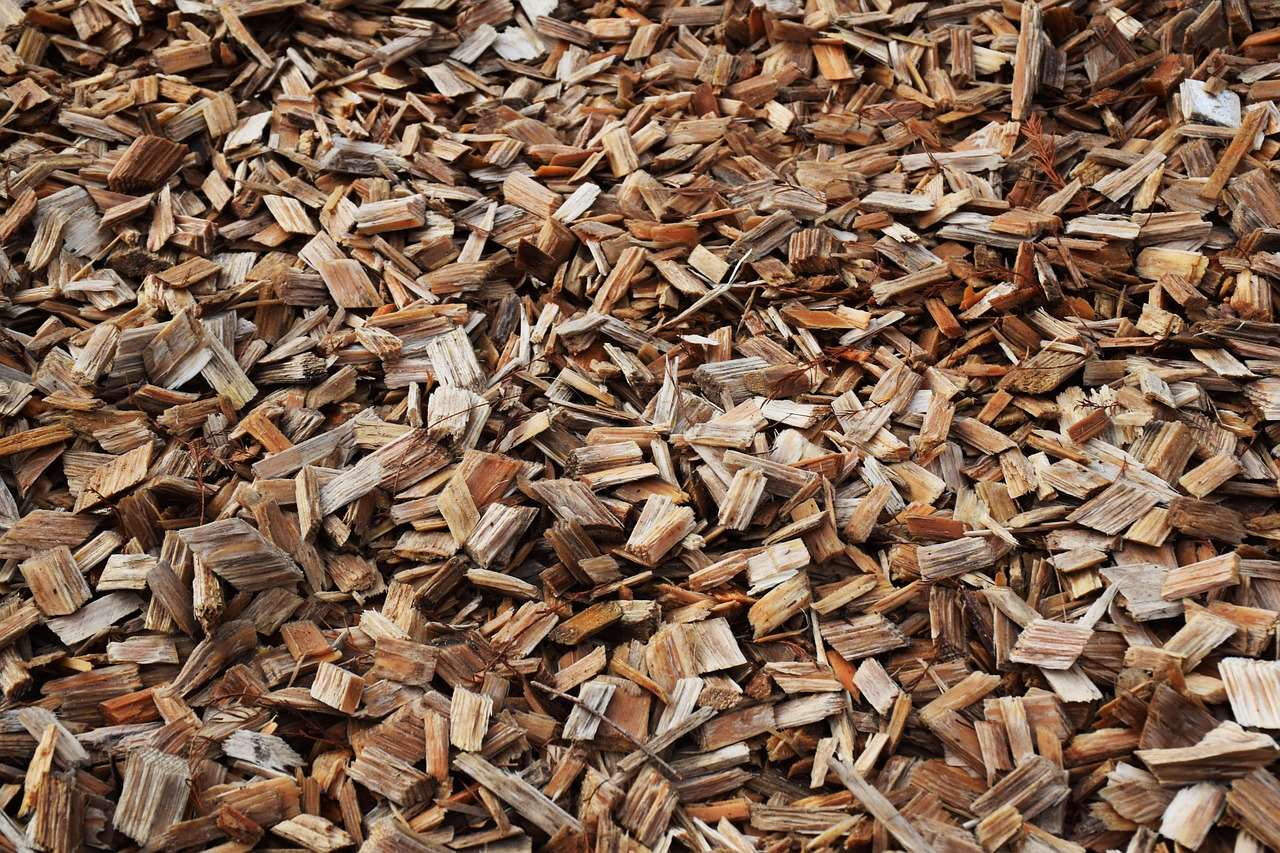
Industry often stresses its use of forest residues, but Kleinman reports that a significant portion of the wood in processing facilities is whole pine and hardwood trees that paper mills would otherwise have bought. That means bioenergy demand can drive up harvests.
One study found that supplying 2% more global energy from biomass would require doubling total wood harvests (source).
What better rules could look like
The EU’s Renewable Energy Directive does state that renewable biomass cannot be harvested from vulnerable or biodiverse ecosystems. Kleinman argues that even wood from sustainably managed forests still raises fundamental problems (source).
Both sources point toward similar fixes:
- Count the time it takes replanted crops to absorb released carbon, known as the carbon payback period.
- Give financial and regulatory support only to feedstocks with the shortest payback periods.
- Stop treating “sustainable forestry” as proof of carbon neutrality, because regional forest growth rates cannot reflect the emissions of one biomass-burning facility.
The NRDC summary of Chatham House makes the second and third points, while Kleinman makes the first (NRDC, Kleinman).
How biomass fits with other clean options
Biomass is rarely a stand-alone answer. If you are comparing sources, our guide to geothermal energy is a useful next read.
Predictability is the main selling point the sources credit to biomass. Our explainer on battery energy storage covers another way of managing supply.
Frequently asked questions
Is biomass energy renewable?
Show answer
The fuel can regrow, so it is renewable in a literal sense. Whether it helps the climate depends on the feedstock and on how fast the carbon returns, and the NRDC summary rates leftovers from sawmills far better than felled whole trees.
What is a carbon payback period?
Show answer
It is the span needed for replanted crops or trees to take back the carbon that burning released. Kleinman wants emissions rules to build this span into their calculations.
Do countries have to count biomass emissions?
Show answer
In the Kleinman Center’s June 2021 description, EU member states can leave smokestack emissions from burning biomass off their books, because the bloc treats the fuel as carbon neutral (source).
Why do some sectors still want biomass?
Show answer
Fuel users in shipping and transportation have few easy alternatives when wind and solar cannot do the job. That practical gap helps explain the appeal, even with the disputed climate record.