
Climate Change Guide
27 stories
-
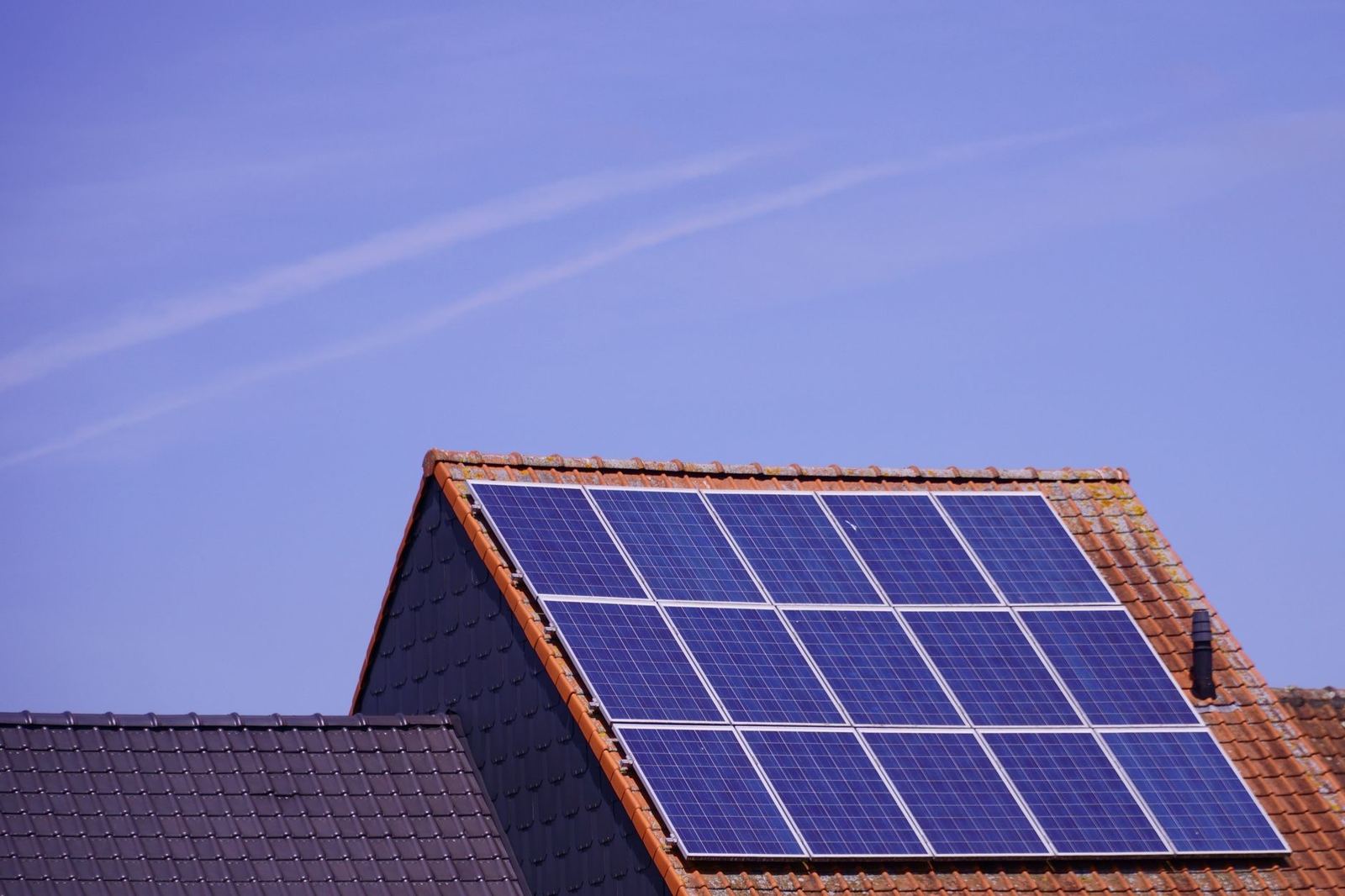
How Solar Panels Turn Sunlight into Electricity
Wondering how do solar panels work before you commit a roof to them? Panels use a semiconductor, usually silicon, to knock electrons loose with sunlight, and an inverter turns that current into the AC your home uses. This explainer sits within our wider guide to renewable energy. These figures come from the U.S. Department of…
-
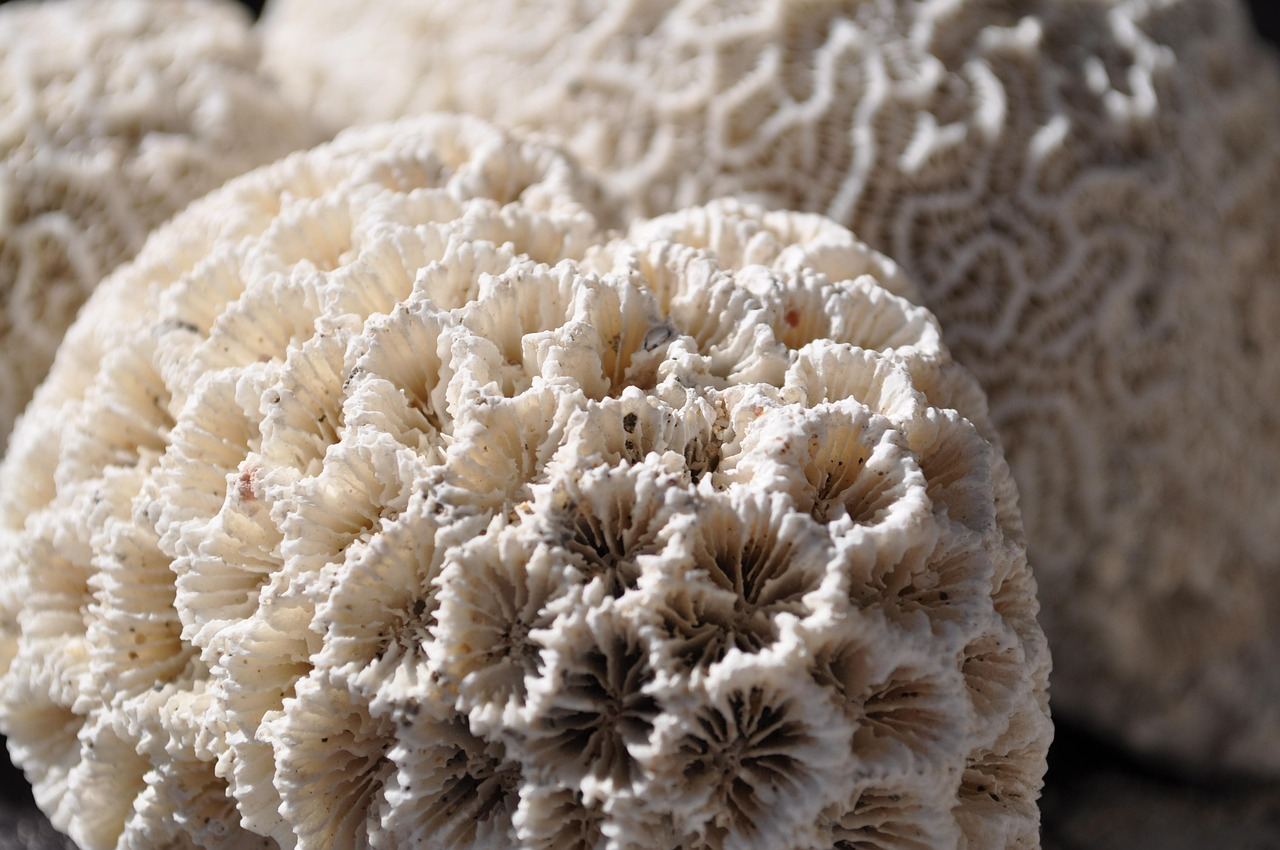
Ocean Acidification: What It Is and Why It Matters
Worried about what ocean acidification is doing to the sea? It’s a chemical shift that happens as the ocean absorbs carbon dioxide, making seawater more acidic and harder on shell-building life. Ocean acidification is one chapter in the wider story of climate change, and this guide covers the ocean chemistry behind it. These figures come…
-
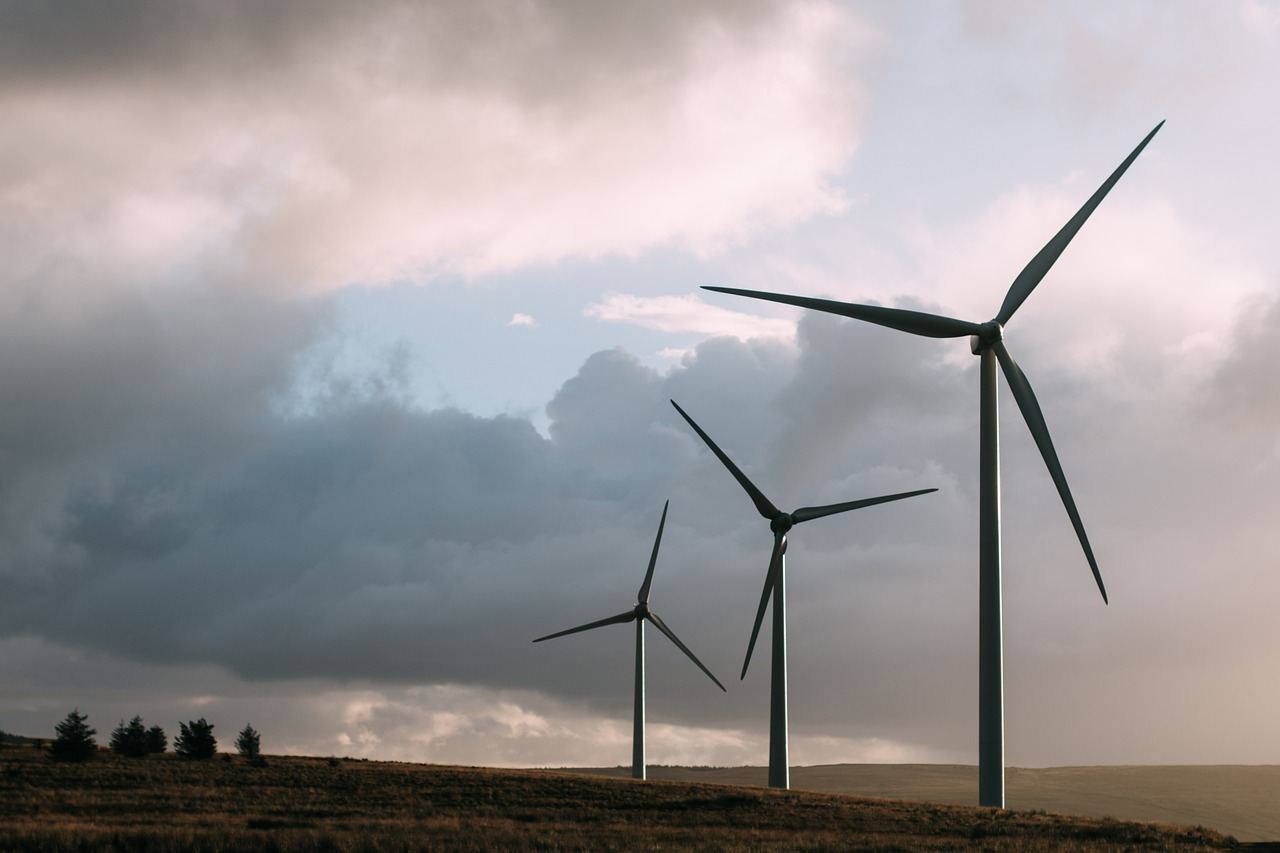
Renewable vs Nonrenewable Energy: Key Differences
Trying to make sense of renewable vs nonrenewable energy? Here is the short answer: renewable sources like sun and wind are replenished by nature, while nonrenewable ones like coal and oil are limited to what can be mined or extracted. This comparison is part of our wider look at renewable energy, where each source gets…
-
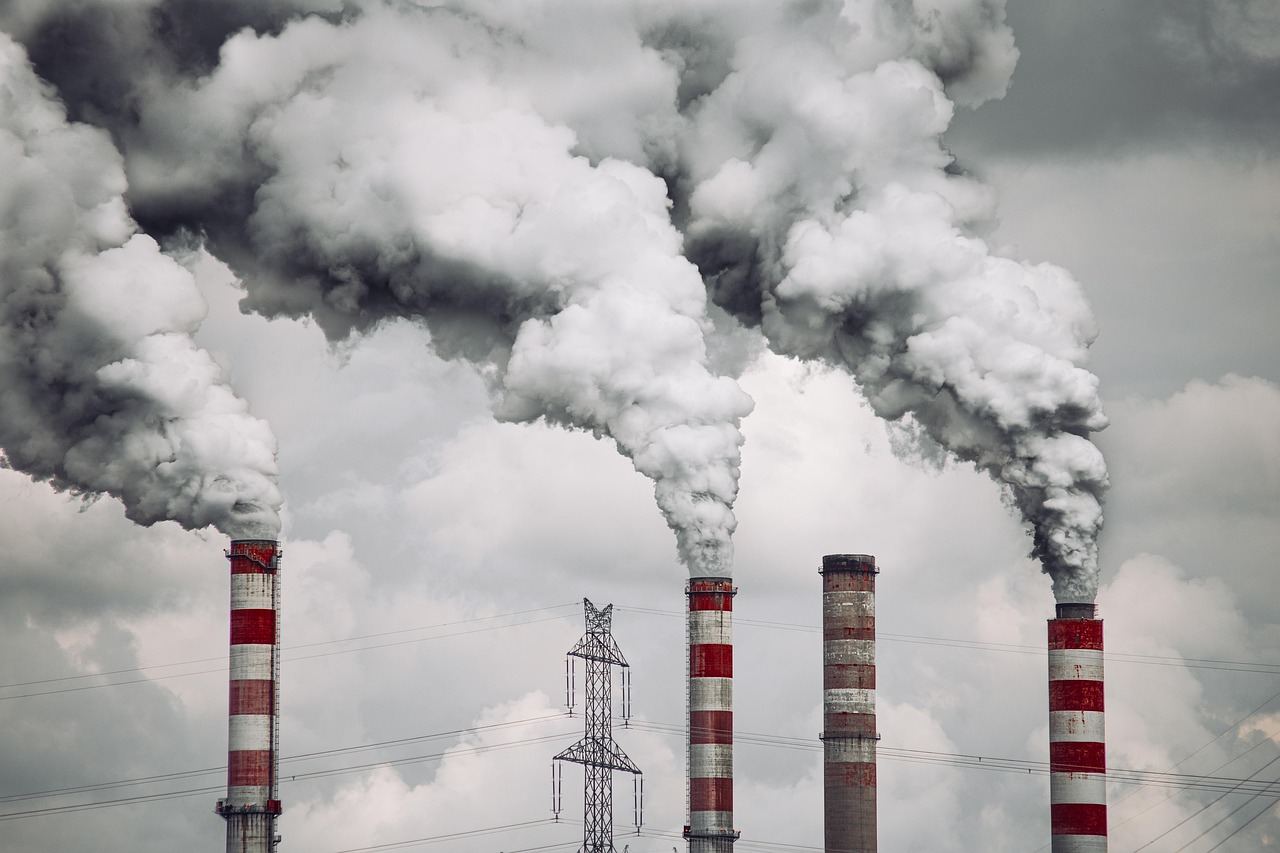
What Causes Climate Change? Natural and Human Drivers
If you’re unsure what is really warming the planet, here is the short version. The main causes of climate change in recent decades are human-made greenhouse gas emissions, while orbit, sun and volcanoes shaped past shifts. This guide is part of our wider explainer on climate change, and it focuses on what pushes the climate…
-
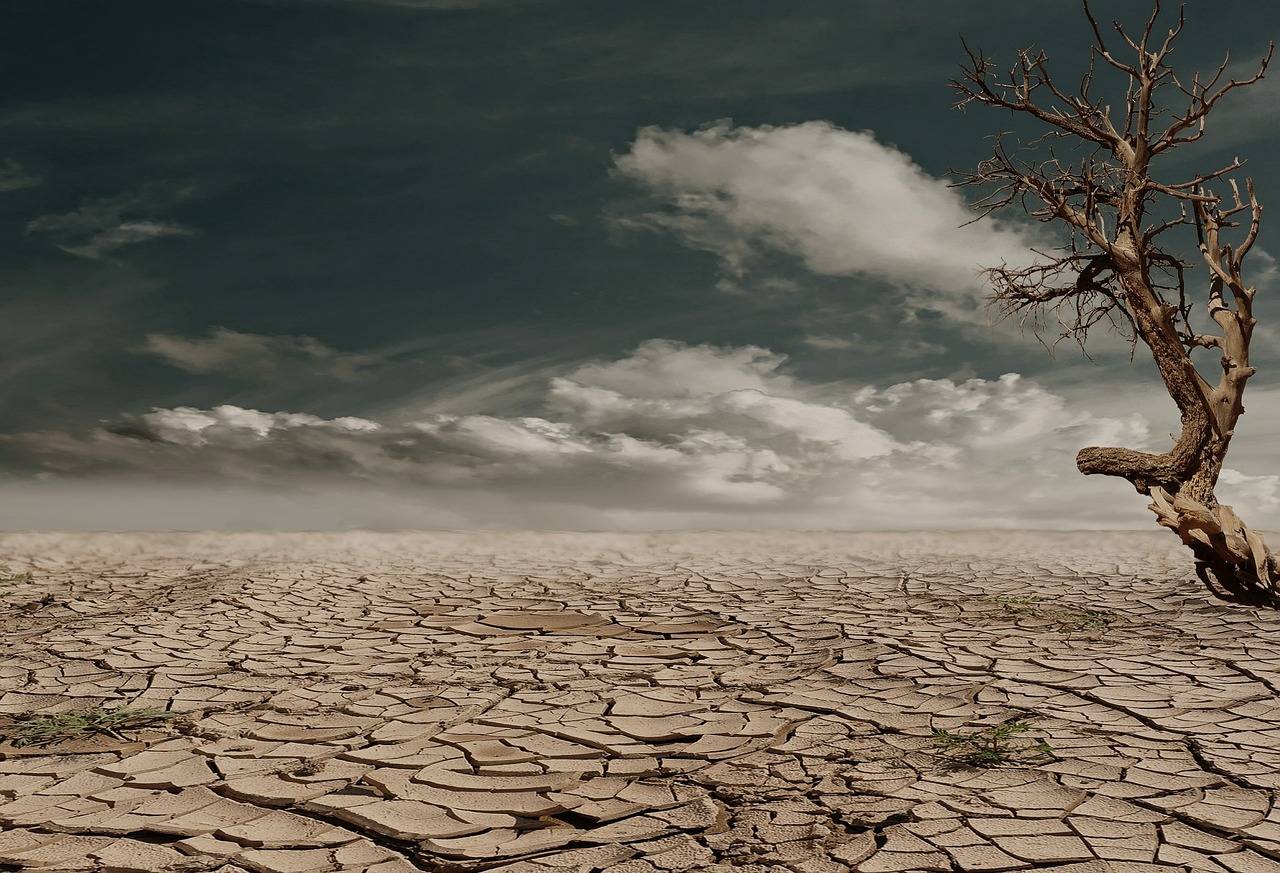
Global Warming vs Climate Change: What’s the Difference?
Global warming vs climate change: you’ve heard both words and may wonder which one is right. Global warming is the rise in Earth’s surface temperature; climate change covers that warming plus everything it sets in motion. This guide sits inside our wider explainer on climate change, so start there if you want the full picture.…
-
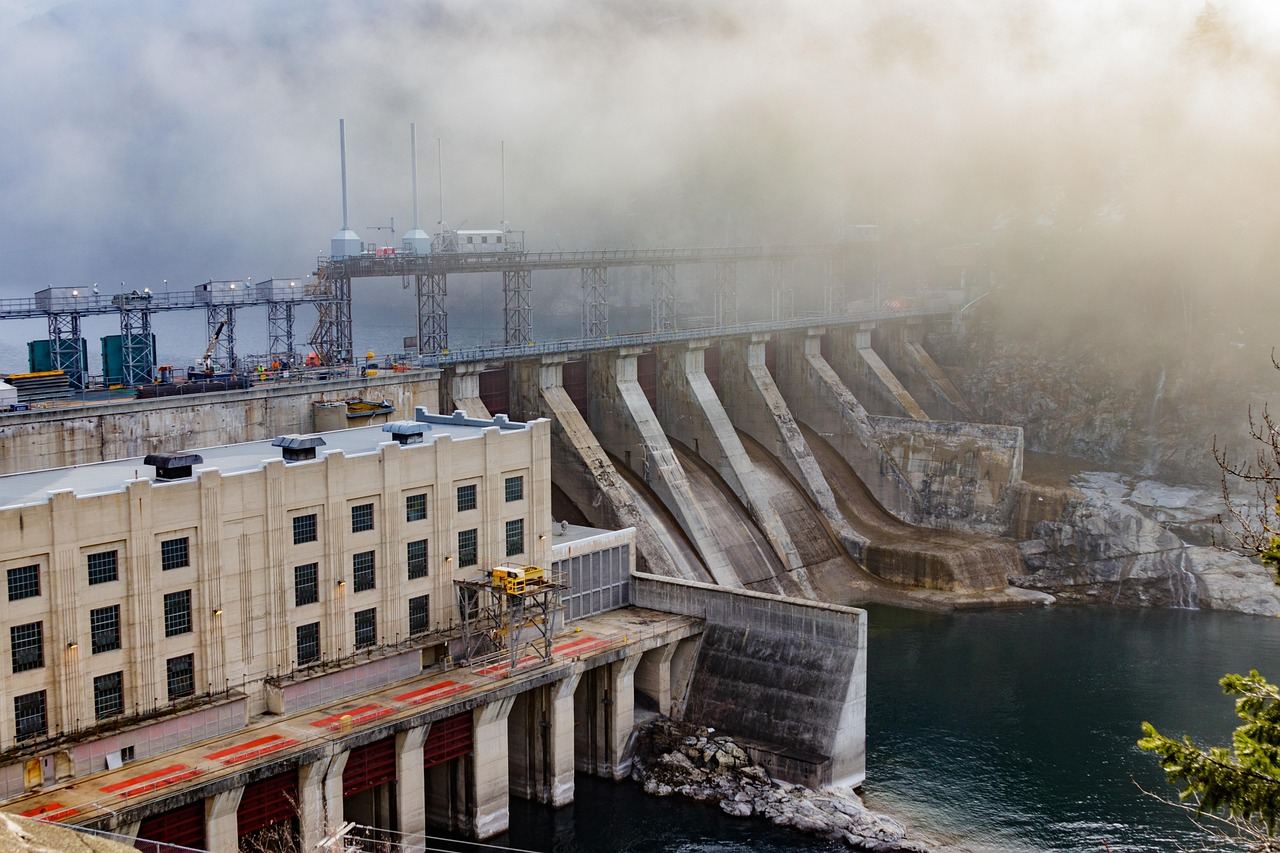
Hydropower Explained: Dams, Run-of-River and Pumped Storage
Wondering how hydropower works? It turns moving water into electricity through dams, run-of-river diversions or pumped storage, each built for a different job. Hydropower is one of the oldest members of the wider family of renewable energy, and this page explains how its main plant types differ. These figures come from the U.S. Energy Information…
-
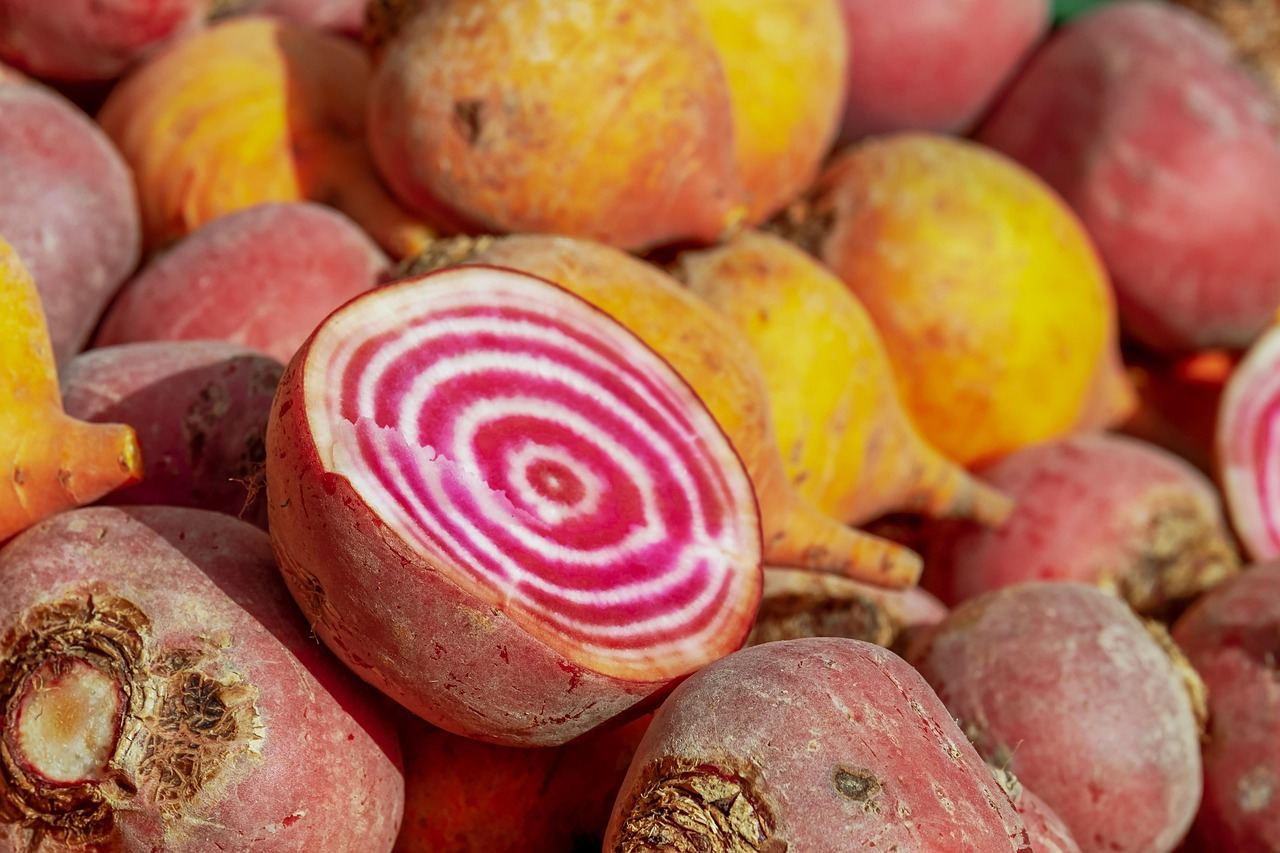
Plant-Based Diets and Climate: What the Research Shows
Wondering whether your plate can really help the climate? The plant based diet climate impact is real: swapping meat, especially beef and lamb, for plants cuts food emissions, though the size depends on what you replace. This page is part of the wider topic of sustainable living, where food is one of the everyday choices…
-
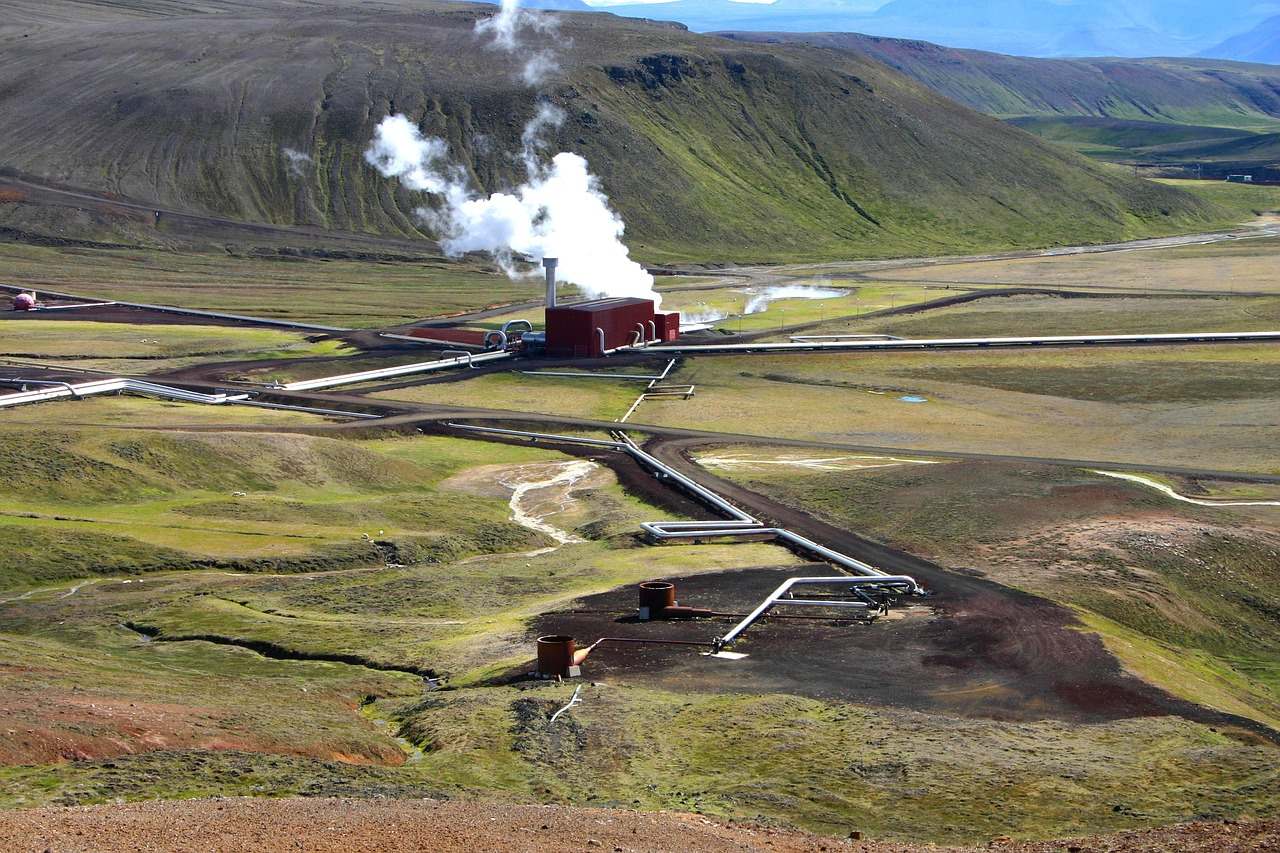
Geothermal Energy: Heat from the Earth
Wondering whether the ground under your feet could power or heat your home? Geothermal energy taps heat from the earth, using wells to bring up steam and hot water for electricity, heating and cooling. This guide is part of our look at renewable energy, where geothermal sits alongside other sources. These figures come from the…
-
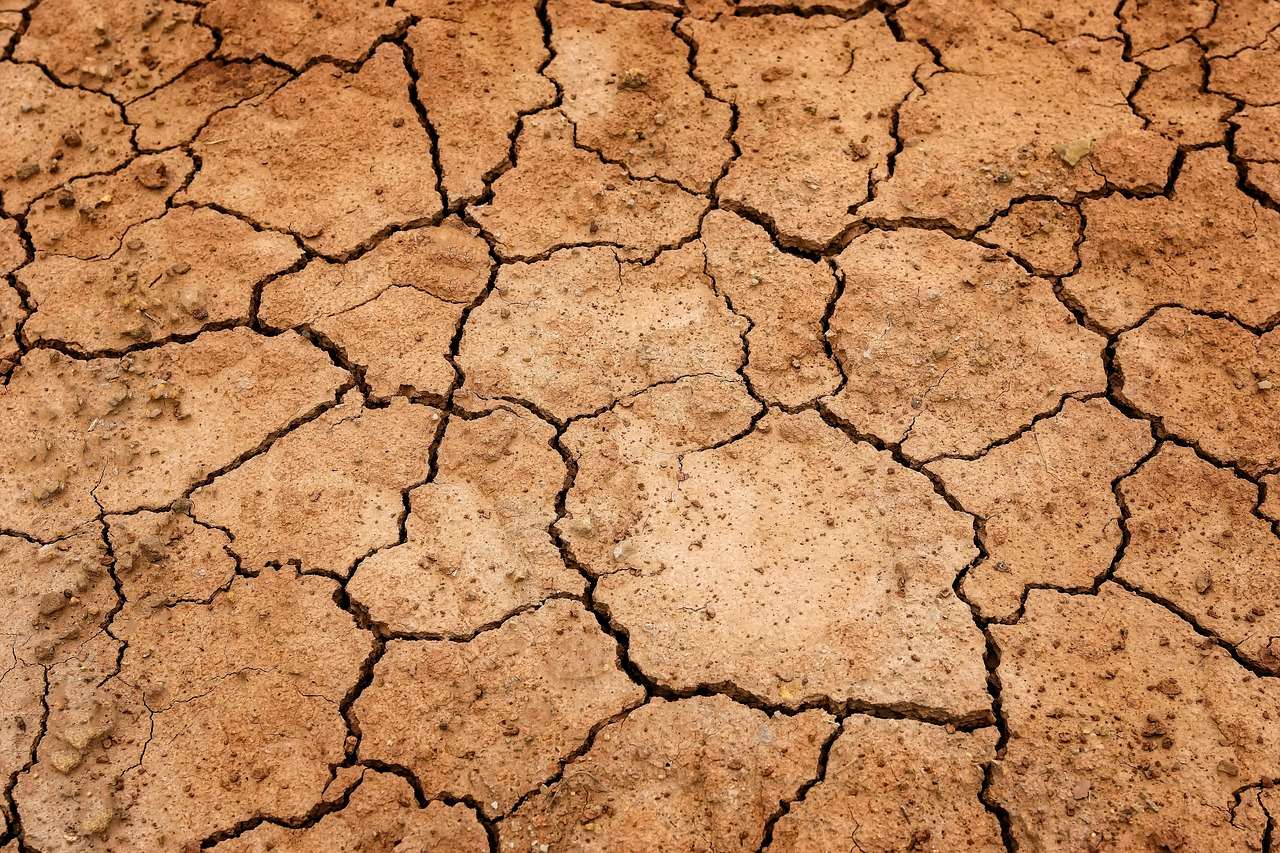
Effects of Climate Change on People and Nature
Wondering what the effects of climate change really look like? Human-caused warming is already changing weather extremes in every region, harming both people and ecosystems, and it hits vulnerable communities hardest. This guide is part of our wider explainer on climate change, and it focuses on what the latest assessment says is already happening. These…
-
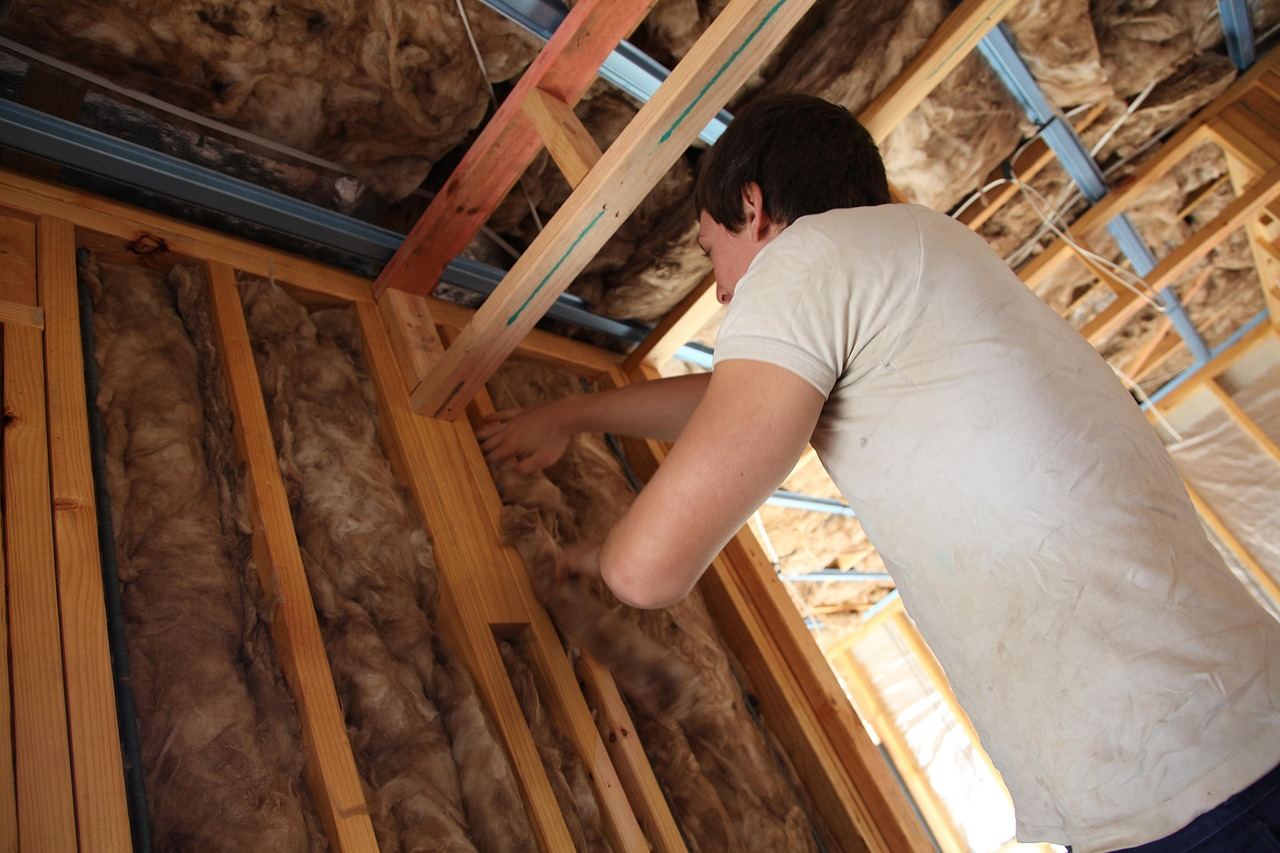
Making Your Home Energy Efficient: Upgrades Ranked by Impact
Want an energy efficient home without wasting money on the wrong upgrades? Start by sealing and insulating your attic, then tackle heating, hot water and windows. This guide is one part of the wider topic of sustainable living, focused on what happens inside your walls. The figures come from ENERGY STAR’s Home Upgrade page and…